Seogwipo, South Korea
- 178,552 people
- 6 places to visit
- 33.2541, 126.5601
Places to Visit (6)
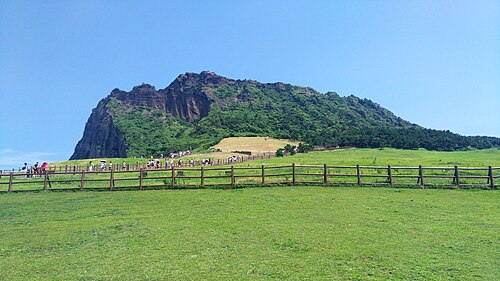
Seogwipo is a picturesque city located on the southern coast of Jeju Island in South Korea. It is the second-largest city in Jeju Province, following the island's capital, Jeju City. Seogwipo is known for its stunning natural beauty, characterized by dramatic cliffs, lush green landscapes, and cascading waterfalls. One of the city's most notable features is the Hallasan Mountain, a dormant volcano and the highest peak in South Korea, which offers numerous hiking trails and panoramic views. The city's coastal area is dotted with stunning beaches, including Jungmun Beach, recognized for its crystal-clear waters and vibrant marine life, making it a popular destination for tourists seeking both relaxation and adventure.
Seogwipo is rich in cultural and historical significance. The city is home to various historical sites, including the ancient Seogwipo Maeil Olle Market, where visitors can experience local cuisine and shop for traditional crafts. Another significant site is the Cheonjiyeon Waterfall, a scenic waterfall that is surrounded by walking paths and picturesque gardens, attracting both locals and tourists alike. The city also serves as a gateway to several UNESCO World Heritage Sites, including the Geomunoreum Lava Tube System and the volcanic landscapes of Jeju Island. In addition, Seogwipo hosts a number of cultural festivals throughout the year, celebrating local traditions and customs, further enriching the experience for visitors. With its blend of natural wonders, cultural richness, and vibrant community, Seogwipo is an essential destination for anyone exploring Jeju Island.
Facts about Seogwipo
- Seogwipo is renowned for its stunning Jeongbang Falls, which is one of the few waterfalls in Asia that falls directly into the ocean.
- The city is located on Jeju Island, which is a UNESCO World Heritage site, famous for its unique volcanic landscapes and biodiversity.
- Seogwipo hosts the annual Jeju International Windmill Festival, celebrating the island's wind energy and showcasing various cultural performances.
- The city serves as a hotspot for traditional Korean cuisine, featuring dishes such as black pork and fresh seafood, including squid sashimi.
- Seogwipo is home to the Oedolgae Rock, a natural monument that is a popular tourist spot, associated with local legends and offering breathtaking coastal views.
- The area surrounding Seogwipo is famed for its extensive hiking trails, including the popular Olle Trail, which showcases the scenic beauty of Jeju Island.
- Seogwipo is also notable for its involvement in the Jeju 4.3 incident, a significant historical event in South Korea’s modern history that commemorates victims of repression.
- The city is positioned at the foot of Mount Hallasan, South Korea's highest peak, which is an important national park and biodiversity hotspot.
- In terms of agriculture, Seogwipo is known for its citrus production, especially tangerines, which are a key local product and export.
- Seogwipo's proximity to several famous volcanic craters and lava tubes, such as Manjanggul Cave, offers unique geological features that attract researchers and tourists alike.