Seoul, South Korea
- 10,349,312 people
- 17 places to visit
- 37.5519, 126.9918
Places to Visit (17)
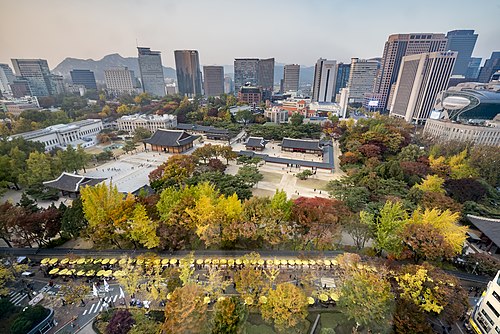
Seoul, the capital of South Korea, is a vibrant metropolis that seamlessly blends ancient traditions with cutting-edge modernity. With a population exceeding 10 million, it stands as one of the largest cities in the world and serves as the political, cultural, and economic heart of the nation. Founded over 2,000 years ago, the city has a rich historical tapestry, evident in landmarks such as Gyeongbokgung Palace, built in the 14th century, and the ancient city walls that once protected it. Seoul's unique topography, framed by mountains and the Han River, offers picturesque views and numerous outdoor recreational opportunities, contributing to its appeal as a dynamic urban environment.
Economically, Seoul ranks among the top global cities, characterized by rapid growth in technology and finance. It is home to multinational corporations, including Samsung, LG, and Hyundai, which propels the city's status as a hub for innovation. The city also boasts a highly developed transport infrastructure, with an extensive subway system that facilitates access to different districts and suburban areas. Additionally, Seoul is renowned for its cultural offerings, from K-pop and contemporary art to traditional tea houses and street food markets that reflect its culinary diversity. The annual Seoul Lantern Festival and the Seoul Kimchi Making & Sharing Festival are just a few examples of the city's commitment to celebrating its heritage while promoting modern cultural expressions. With a rich blend of history, economic vitality, and cultural dynamism, Seoul stands out as a significant global city.
Facts about Seoul
- Seoul is home to the iconic Gyeongbokgung Palace, the largest of the Five Grand Palaces built during the Joseon Dynasty, which serves as a symbol of Korea's royal heritage.
- The city has been at the center of Korea's rapid economic development, often referred to as the 'Miracle on the Han River', transforming from a war-torn city in the 1950s to a major global city.
- Seoul boasts the world's highest observation deck, the Sky Garden atop the Lotte World Tower, which stands at 555 meters and provides panoramic views of the city.
- The city is known for its vibrant street food culture, with markets like Gwangjang Market and Myeongdong serving as popular destinations to experience traditional Korean snacks.
- Seoul is the first city in the world to have a comprehensive urban bicycle-sharing program called 'Ddareungi', promoting eco-friendly transportation.
- Home to the historic Bukchon Hanok Village, Seoul features traditional Korean houses (hanoks) that date back to the Joseon Dynasty, contrasting with the modern cityscape.
- Seoul's Hongdae district is famous for its youthful energy and creativity, hosting numerous indie music clubs, art galleries, and street performances.
- The city is a major hub for technology and innovation, being the headquarters of global companies like Samsung and LG, and investing heavily in smart city initiatives.
- Seoul hosts the annual Seoul Lantern Festival, where thousands of beautifully crafted lanterns illuminate the Cheonggyecheon stream, attracting millions of visitors.
- It is home to the world's first full-scale underground shopping mall, the COEX Mall, which includes a convention center, an aquarium, and a library.