Seraing, Belgium
- 60,737 people
- 13 places to visit
- 50.61, 5.5141
Places to Visit (13)
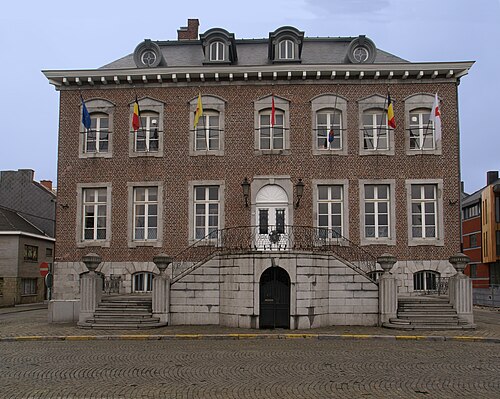
Seraing is a city located in the Walloon region of Belgium, situated along the Meuse River. It lies to the southeast of Liège in the province of Liège and is part of the larger metropolitan area of Liège. Historically, Seraing has been an important industrial center, particularly known for its steelmaking and coal mining activities which flourished during the 19th and early 20th centuries. The city's industrial landscape was shaped significantly by the Cockerill family, with the establishment of the Cockerill Works in 1817, which became one of Belgium's largest and most prominent steelworks. The decline of these traditional industries in the latter half of the 20th century led to economic challenges, with Seraing transitioning towards new forms of economic activity and development strategies.
Architecturally, Seraing features a mix of industrial heritage and modern urban design. Significant landmarks include the Church of Saint Anthony and the famous château of Seraing, which reflects the city's historical significance. The town is not only known for its industrial past but also for its green spaces and parks, such as the Parc de la Boverie, which serve as recreational areas for residents. Seraing is well-connected to other cities through road networks and public transport, contributing to a diverse demographic makeup within the community. The population is largely French-speaking, in line with the linguistic characteristics of the Walloon region.
In recent years, Seraing has focused on revitalization efforts, promoting sustainable development and urban renewal while preserving its rich history. These initiatives aim to improve the quality of life for residents and attract new businesses to the area. The city is also known for its community spirit and cultural events, which foster a sense of identity among its inhabitants. Although it has faced challenges typical of post-industrial cities, Seraing continues to evolve and adapt, balancing its historical legacy with the demands of contemporary urban life and environmental sustainability.
Facts about Seraing
- Seraing is known for its rich industrial heritage, particularly in steel production, which played a crucial role in Belgium's economic development during the 19th and 20th centuries.
- The city is home to the historic 'Cockerill Sambre' company, named after the famous engineer Sir William Cockerill, which was pivotal in the establishment of the industrial sector in the region.
- Seraing features the impressive 'Liège-Seraing' railway line, one of the oldest and most significant rail routes in Belgium, which facilitated transport and trade in the region.
- The city is known for its unique blend of modern and traditional architectures, including the notable Church of Saint Joseph, which showcases a mix of Gothic and modernist styles.
- Seraing has a rich cultural scene, highlighted by the annual 'Festival International de Musique de Seraing', which attracts artists from various genres and celebrates local talent.
- The 'Parc de la Boverie', located in Seraing, is a picturesque park that features unique sculptures and offers recreational space for families and tourists alike.
- In the late 20th century, Seraing saw a significant transition from heavy industry to service-oriented sectors, reflecting broader economic shifts in Belgium.
- Seraing is home to the 'Cité Modèle', an example of urban planning from the early 20th century that demonstrates the social housing efforts taking place in industrial cities.
- The city hosts the 'Église Saint-Martin', which is renowned for its remarkable stained glass windows created by local artisans, adding to Seraing's cultural heritage.
- Seraing's location along the Meuse River has enabled it to be a center for both transportation and trade, distinguishing it as a key logistics hub in Wallonia.