Serang, Indonesia
- 692,101 people
- 12 places to visit
- -6.1169, 106.1538
Places to Visit (12)
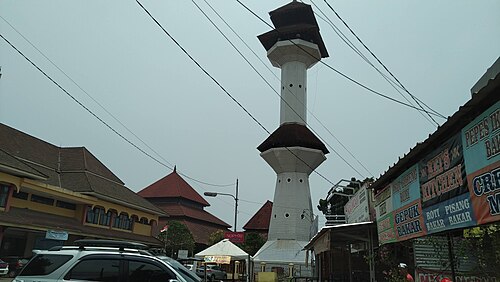
Serang is the capital city of Banten province in Indonesia, located on the western part of the island of Java. It is situated approximately 70 kilometers northwest of Jakarta, the country's capital. With a population of over 300,000 residents, Serang serves as an important administrative and economic center in the region. Established as the capital of Banten province in 2000, the city has since seen significant urban development and infrastructural improvements, reflecting its growing significance in the area.
Historically, Serang was known as a trade center during the era of the Sunda Kingdom and later during the colonial period when it served as an administrative center for the Dutch East Indies. This historical backdrop contributes to the city's rich cultural heritage, characterized by a blend of traditional Sundanese and Javanese influences. Notable sites in and around Serang include the Great Mosque of Serang and various ancient temples that reflect the region’s spiritual diversity. The city is also in proximity to several natural attractions, such as the Ujung Kulon National Park, which is renowned for its biodiversity, including the endangered Javan rhinoceros.
Economically, Serang has benefited from its strategic location, functioning as a commercial hub that connects the western part of Java with other regions. The city's economy is primarily driven by trade, manufacturing, and agriculture, with a particular emphasis on the production of textiles and food processing. Additionally, the growth of industrial zones and the enhancement of transportation infrastructure, including roads and ports, have further stimulated development. As Serang continues to grow, it faces challenges related to urbanization, including the need for improved public services and environmental sustainability. Overall, Serang exemplifies a city at the crossroads of tradition and modernity, with a bright future ahead as it develops its potential as an urban center in Indonesia.
Facts about Serang
- Serang is the capital of Banten Province, making it a significant administrative center in Western Java.
- The city is home to the historical Ujung Kulon National Park, which is a UNESCO World Heritage Site and the last refuge of the Javan rhinoceros.
- Serang has a rich history linked to the Sultanate of Banten, which was a powerful Islamic kingdom in the 16th century, known for its trade and cultural influence.
- The Great Mosque of Banten (Masjid Agung Banten) is located in Serang and is a notable landmark, recognized for its unique blend of Javanese and Islamic architectural styles.
- Serang celebrates an annual cultural festival called 'Seni Budaya Banten,' showcasing traditional art, music, and dance unique to the Banten region.
- The city has a vibrant textile industry and is known for traditional woven fabrics, particularly songket and tenun, which reflect the local culture.
- Serang is geographically positioned near a number of tourist destinations, including Anyer beach and the mountainous areas of Banten, making it a hub for tourism activities.
- Historically, Serang played a role during the Dutch colonial period, where it was a key area for trade and military campaigns against colonial powers.
- The city is also known for its production of traditional snacks and street food, which include 'Kue Cubir' and 'Roti Bakar', attracting food enthusiasts.
- Serang hosts several higher education institutions, contributing to educational development in the region compared to many other smaller towns.