Sestao, Spain
- 29,476 people
- 6 places to visit
- 43.3071, -3.0001
Places to Visit (6)
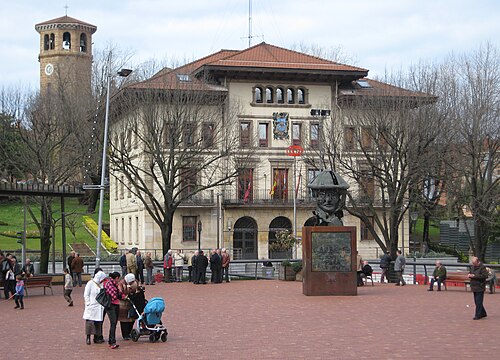
Sestao is a municipality located in the Basque Country of northern Spain, specifically within the province of Biscay. Positioned on the left bank of the Nervión River, Sestao is part of the Greater Bilbao metropolitan area and is adjacent to the municipalities of Getxo and Barakaldo. The area has a rich industrial history, largely established during the late 19th and early 20th centuries when the region underwent significant industrialization. Sestao became known for its steel production and shipbuilding, which contributed greatly to the economic development of the region. The town's industrial legacy is evident in its architecture, characterized by a mixture of traditional Basque styles and structures from the Industrial Revolution.
The population of Sestao is approximately 29,000, and the city has evolved over the years from a predominantly industrial town to a more diversified urban center. While manufacturing remains important, there has been an ongoing shift towards service-based industries. Sestao features various cultural and recreational amenities, including parks, sports facilities, and community centers that enhance the quality of life for residents. Notably, the city is home to the Plata de la Paz, a central square that often hosts local events and gatherings, reflecting the community spirit of its citizens. Transportation in Sestao is facilitated by a well-developed network of roads, public transport, and the nearby Bilbaois Airport, ensuring easy access to neighboring areas.
Sestao has also embraced modern urban development while preserving its historical roots. The city has seen various regeneration projects aimed at improving infrastructure and public spaces, enhancing both aesthetic appeal and functionality. As part of the Basque Country, it shares in the region's rich cultural tapestry, including unique traditions, languages, and culinary delights. The local cuisine, influenced by its coastal proximity, features delicious seafood dishes and traditional Basque fare. As a result of these factors, Sestao continues to be a vibrant community that balances its industrial heritage with contemporary urban living, reflecting the broader transformations experienced in the Basque Country over the past century.
Facts about Sestao
- Sestao is located in the Basque Country, specifically in the province of Bizkaia, and is part of the Greater Bilbao metropolitan area.
- The city is historically significant for its industrial past, particularly in steel production, which played a crucial role in shaping its economy and landscape during the 19th and 20th centuries.
- Sestao is known for the 'Sestao River' which flows into the estuary of Bilbao, characterizing the city's geography and playing a role in its industrial activities.
- The town is home to the iconic Church of San Pedro, a 19th-century building noted for its unique neo-Gothic architectural style that distinguishes it from other local churches.
- Sestao's 'Bidegorri' (bike paths) are examples of the city's commitment to environmental sustainability, promoting cycling as a means of transportation and recreation.
- In recent years, Sestao has undergone significant urban regeneration projects aimed at revitalizing its industrial areas, with a focus on green spaces and modern infrastructure.
- The city is known for its rich Basque cultural heritage, with numerous local events celebrating traditional music, dance, and gastronomy throughout the year.
- Sestao hosts the 'Sestao River Antxiñako' festival, a unique local celebration featuring music, art, and food, which aims to foster community spirit and cultural pride.
- The local football club, Sestao River Club, has a notable history in Spanish football, having competed in various national leagues and contributing to the local sports culture.
- Sestao has a diverse demographic that reflects the multicultural fabric of the Basque region, with a blend of traditional Basque customs and influences from other cultures.