Sesto Fiorentino, Italy
- 45,656 people
- 15 places to visit
- 43.8321, 11.2043
Places to Visit (15)
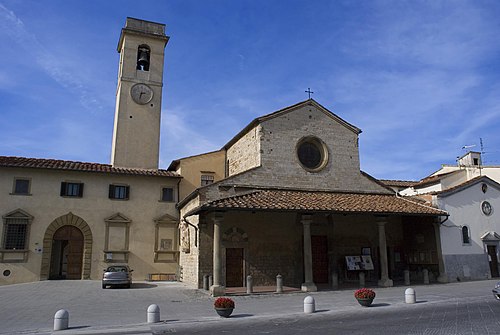
Sesto Fiorentino is a charming town located in the Tuscany region of Italy, approximately 10 kilometers northeast of Florence. Known for its rich history and beautiful landscapes, Sesto Fiorentino has grown from its origins as a Roman settlement into a vibrant urban area. The town's strategic position near Florence and its excellent transport links, including the nearby A11 motorway and the Florence Airport, make it a convenient place for both residents and visitors. The population of Sesto Fiorentino is around 50,000, reflecting a blend of local tradition and modern urbanization.
Historically, Sesto Fiorentino is noted for its archaeological significance, with numerous remnants from the Etruscan and Roman eras. The town features several important historical landmarks, including the Church of San Lorenzo, which dates back to the 12th century, and the Villa di Castello, a beautiful Renaissance villa that played a significant role in the Medici family's history. The local economy has evolved over time, transitioning from agriculture to industry and services, with many high-tech industries and crafts contributing to its contemporary character. The picturesque hills around Sesto offer opportunities for outdoor activities, including hiking and cycling, attracting nature enthusiasts to the area.
Cultural life in Sesto Fiorentino is vibrant, with various events held throughout the year, including festivals, markets, and art exhibitions that showcase local traditions and craftsmanship. The town is also home to numerous parks and gardens, providing residents and visitors with spaces for recreation and relaxation. As a suburb of Florence, Sesto Fiorentino offers a unique blend of urban and rural living, featuring traditional Tuscan architecture alongside modern developments. This combination, along with its proximity to Florence's world-renowned art and culture, makes Sesto Fiorentino an appealing place to live and explore, offering a glimpse into the rich tapestry of Tuscan life.
Facts about Sesto Fiorentino
- Sesto Fiorentino is known for its significant contributions to the Italian ceramics industry, particularly during the Renaissance period, making it a notable center for art and craftsmanship.
- The city is home to the Parco della Memoria, a memorial park dedicated to the victims of the 1944 aerial bombing, which is an important historical site reflecting the impact of World War II on the region.
- Sesto Fiorentino has a rich archaeological heritage, with remnants from ancient Etruscan and Roman civilizations uncovered in the area, setting it apart from many other Italian towns.
- The city's close proximity to Florence enables it to be a less touristy yet culturally rich alternative for visitors seeking to explore Tuscany's landscape and historical sites.
- Sesto Fiorentino hosts the annual 'Festa della Rificolona', a traditional festival that features colorful lantern processions, showcasing the town's vibrant local culture and community spirit.
- Notably, Sesto Fiorentino is where the Italian artist and architect G. B. Foggini was born, who significantly contributed to the baroque style in Tuscany.
- The city's strategic location has made it an important logistic hub, connecting Florence with various industrial areas, thus contributing to its economic significance.
- Sesto Fiorentino is characterized by its lush green spaces and parks, including the popular Parco della Cascine di Tavola, which offer recreational opportunities unique to urban Tuscan environments.
- The historic Villa Campi, a notable villa in Sesto Fiorentino, is an example of Renaissance architecture and has played a role in various cultural events throughout the centuries.
- Sesto Fiorentino is known for its rich culinary traditions, particularly for dishes featuring local Tuscan ingredients, offering a unique gastronomic experience distinct from neighboring cities.