Sète, France
- 40,736 people
- 14 places to visit
- 43.4079, 3.7008
Places to Visit (14)
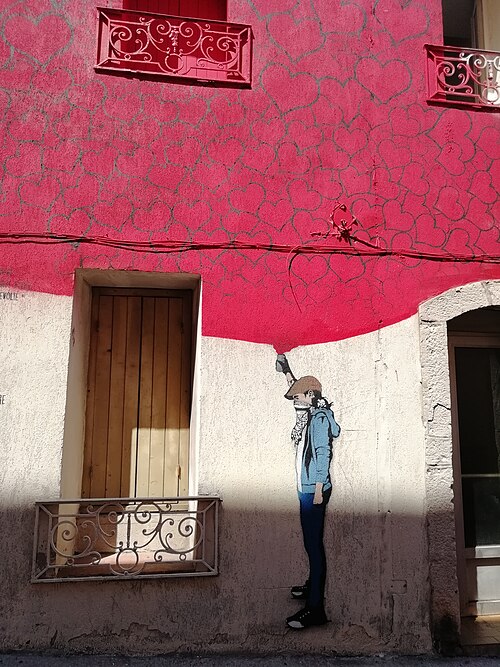
Sète, located in the south of France on the Mediterranean coastline, is a vibrant port city known for its rich cultural heritage and picturesque scenery. Founded in the 17th century by Cardinal Richelieu, the city was developed as a strategic port and trade hub. Today, Sète is recognized as a key center for fishing and maritime activities, which is reflected in its bustling harbor where colorful fishing boats mingle with yachts and ferries. The city is also renowned for its canals, often referred to as the "Venice of Languedoc," which are lined with restaurants and cafés, providing a unique backdrop for both residents and tourists.
The city boasts a diverse cultural scene, heavily influenced by its Mediterranean roots. Sète hosts several annual events such as the Fête de la Saint-Louis, a traditional celebration featuring a maritime jousting tournament. This festival draws visitors from all over the region and highlights the city's historical connection to maritime activities. The local cuisine is another undeniable aspect of Sète's charm, with seafood being particularly prominent; dishes like tielles (a savory pie filled with octopus or squid) and the infamous Sète-style mussels attract food lovers year-round. Art and music are vibrant components of Sète's community, with numerous galleries, theaters, and musical festivals celebrated throughout the year. Renowned for its stunning views, particularly from the summit of Mont Saint-Clair, Sète offers panoramic vistas of the surrounding sea and the Herault region, making it an appealing destination for nature enthusiasts and photographers alike. The city's unique blend of culture, history, and natural beauty makes Sète a hidden gem within the French Mediterranean landscape.
Facts about Sète
- Sète is often referred to as the 'Venice of Languedoc' due to its picturesque canals that flow through the town.
- The city is known for its unique maritime culture, including traditional fishing practices and seafood cuisine, particularly the famous dish called 'tielle' - a savory pie filled with octopus.
- Sète is the birthplace of the renowned French poet Paul Valéry, and his house is now a museum celebrating his life and works.
- The annual Festival of Saint Louis, held in August, features colorful boat parades and traditional water jousting, a sport with deep historical roots in the region.
- Sète hosts the 'Musée Paul Valéry', which showcases an extensive collection of 20th-century art, making it a cultural hub in the south of France.
- The city is home to the Mont Saint-Clair hill, offering panoramic views of the Mediterranean Sea and the surrounding landscape, making it the highest point in Sète.
- Sète's port is the largest on the French Mediterranean coast, playing a crucial role in the local economy and trade.
- The city is known for its vibrant arts scene, with a strong emphasis on music, theater, and visual arts, hosting numerous festivals throughout the year.
- Sète has been a significant center for maritime folklore and legends, with local stories often celebrating the town's connection to the sea.
- The city features a unique blend of architectural styles, reflecting its historical significance as a major French port and a melting pot of various cultures.