Sete Lagoas, Brazil
- 201,334 people
- 6 places to visit
- -19.4647, -44.2453
Places to Visit (6)
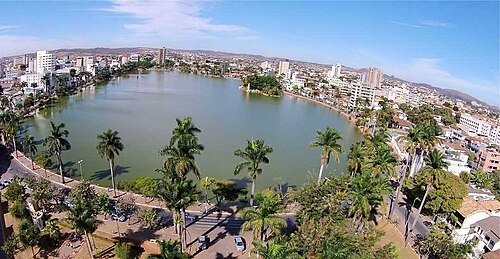
Sete Lagoas is a city located in the state of Minas Gerais, Brazil, renowned for its rich history, cultural heritage, and natural beauty. Founded on December 28, 1831, the city is situated approximately 70 kilometers northeast of Belo Horizonte, the state capital. The name "Sete Lagoas," which translates to "Seven Lakes," is derived from the numerous bodies of water found in the region, providing picturesque landscapes and a habitat for diverse flora and fauna. The city has a population of around 200,000 residents, combining urban and rural lifestyles, and has become an important economic and industrial hub within the state. Its economy is diversified, with significant contributions from agriculture, commerce, and manufacturing, particularly in the production of beverages, furniture, and textiles.
Sete Lagoas boasts a rich cultural scene, with annual festivals and events that celebrate its heritage. The city's historical architecture includes churches and colonial buildings that reflect its past, while local cuisine offers a taste of traditional Minas Gerais dishes. The community is known for its hospitality and vibrant artistic expressions, such as music and dance. Additionally, Sete Lagoas is surrounded by natural attractions; the area's lakes, parks, and environmental reserves provide opportunities for outdoor activities like hiking, fishing, and birdwatching. The city also attracts tourists interested in exploring nearby attractions, including ecological parks and historical sites that showcase the region's history. Overall, Sete Lagoas stands out as a unique destination that harmonizes industrial development with a deep respect for nature and cultural identity.
Facts about Sete Lagoas
- Sete Lagoas is named after the seven lagoons that were originally found in the area, which contributed to its natural beauty and biodiversity.
- The city is known for its rich agricultural productivity, particularly in the cultivation of sugarcane and various fruits, making it an important economic hub in the state of Minas Gerais.
- Sete Lagoas has a significant limestone industry, with extensive deposits in the region that support both local and national construction and manufacturing industries.
- The historic 'Church of Saint Anthony', built in the 18th century, showcases Baroque architecture and is a prominent landmark in the city, reflecting its colonial past.
- Sete Lagoas has one of the largest and oldest collections of the Spanish artist Joan Miró’s works in Brazil, housed in the Cultural Center of Sete Lagoas.
- The city hosts the annual 'Festa do Peão', a traditional rodeo event that celebrates rural culture and attracts thousands of visitors each year.
- Sete Lagoas is known for its vibrant local music scene, particularly for its contributions to Brazilian Sertanejo, a popular country music genre.
- The city's proximity to the capital of Minas Gerais, Belo Horizonte, enhances its appeal as a growing suburban area with urban amenities.
- Sete Lagoas is home to various ecological parks and preserved areas, promoting environmental awareness and conservation in a region known for its natural resources.
- The region has a rich indigenous history, with archaeological sites nearby that provide insights into the lives of pre-colonial inhabitants.