Sétif, Algeria
- 252,127 people
- 5 places to visit
- 36.1898, 5.4108
Places to Visit (5)
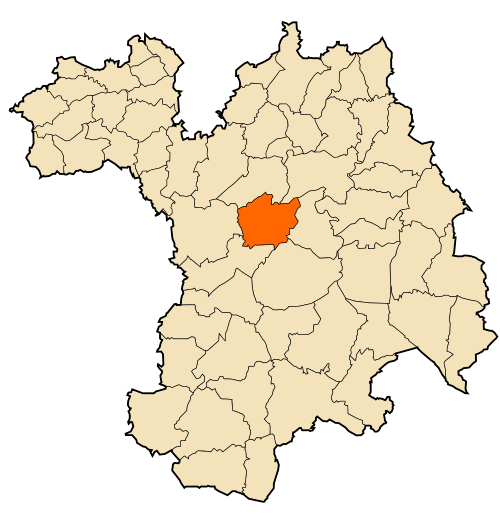
Sétif is a city located in northeastern Algeria, known for its rich historical significance and cultural heritage. Founded by the Romans in the 2nd century BC, it was originally known as Sitifis and served as an important agricultural and commercial center, particularly due to its fertile plains. The city is situated about 270 kilometers east of Algiers, at an elevation of approximately 1,100 meters, which contributes to its temperate climate and lush surroundings. Sétif has a diverse demographic, predominantly inhabited by Arab and Berber populations, and showcases a blend of traditional and modern influences in its architecture and lifestyle.
One of Sétif's most notable features is its historical ruins, including the remnants of Roman structures such as the impressive amphitheater and the ancient city’s mosaics, which reflect the area’s vibrant past. The city is also known for the spectacular Sétif Plateau, which is surrounded by the Tell Atlas mountains, offering scenic views and opportunities for outdoor activities. Sétif has developed into an important economic hub, with sectors including agriculture, trade, and industry significantly contributing to its growth. It is recognized for its production of grains, olives, and livestock, while its markets are vibrant with local crafts and culinary specialties. The city's cultural life is enriched by annual festivals, including the celebration of local heritage and music, which attract visitors and foster community spirit. Overall, Sétif serves as a vital link between Algeria’s historical past and its contemporary identity.
Facts about Sétif
- Sétif is home to one of the largest ancient Roman ruins in Algeria, the archaeological site of Timgad, which showcases well-preserved temples, a theater, and public baths.
- The city is known for the famous 'Sétif Massacre' of 1945, an event that marked a turning point in Algeria's struggle for independence from French colonial rule.
- Sétif is situated at an elevation of approximately 1,050 meters (3,445 feet) above sea level, making it one of the highest cities in Algeria.
- The region around Sétif is renowned for its agricultural production, particularly its cereals and the famous 'Sétif olive oil', considered one of the best in the country.
- The city is a cultural hub with several universities, including the University of Sétif, which contributes significantly to higher education in Algeria.
- Sétif is famous for its vibrant bazaar and traditional souks, where visitors can find a variety of local crafts, textiles, and spices unique to the region.
- The city has a unique historical feature: the Great Mosque of Sétif, which features a distinct architectural style combining Islamic and local influences.
- Sétif was the site of the first Algerian football club, the CR Belouizdad, established in 1933, highlighting its long-standing sports culture.
- The region is particularly known for its rich history of resistance against colonization, with the proximity to the Djurdjura Mountains providing strategic advantages during resistance movements.
- Sétif hosts the annual International Festival of Sétif, showcasing local culture, music, and art, which attracts visitors from across the country and beyond.