Seto, Japan
- 127,659 people
- 15 places to visit
- 35.2239, 137.0841
Places to Visit (15)
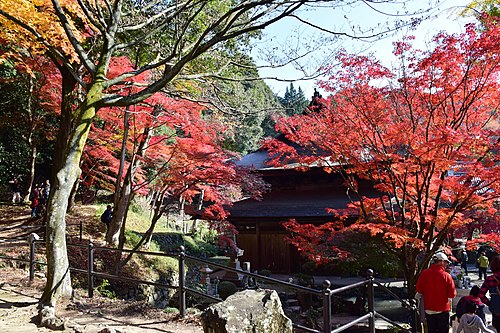
Seto is a city located in Aichi Prefecture, Japan, renowned for its rich history in pottery and ceramics. Situated in the Chubu region, Seto is part of the Greater Nagoya metropolitan area and lies approximately 25 kilometers east of Nagoya. The city has a population of around 130,000 residents and covers an area of about 94 square kilometers. Seto's strategic position along transport routes has historically contributed to its development, making it accessible for trade and cultural exchange.
Seto is most famous for its Seto-yaki pottery, which has been produced for centuries. The history of ceramics in Seto dates back to the 13th century, making it one of Japan's oldest ceramic production centers. The local clay and abundant natural resources, combined with the skills of local artisans, have led to the creation of beautiful and functional potteries admired both in Japan and internationally. Every year, the city holds the Seto Pottery Festival, attracting visitors from around the country to celebrate its ceramic heritage and to promote local artisans and their craftsmanship. In addition to its pottery, Seto is also home to historic sites and cultural attractions, such as the Seto City Art Museum and various temples and shrines that reflect the area’s traditional architecture and values.
The surrounding landscape of Seto is characterized by rolling hills and rivers, offering residents and visitors a picturesque environment. The city also emphasizes environmental sustainability and green initiatives, providing parks and recreational spaces that enhance the quality of life for its inhabitants. The cultural blend of traditional craftsmanship and modern development makes Seto an intriguing destination for those interested in Japanese culture, arts, and beautiful scenery. As the city continues to grow, it effectively balances its historical significance with contemporary living, making it a unique part of Japan's diverse tapestry.
Facts about Seto
- Seto is renowned for its production of Seto ware, a type of porcelain and pottery that dates back to the 13th century, making it one of Japan's oldest ceramic centers.
- Every year, Seto hosts the Seto Ceramics Festival, celebrating its rich ceramic heritage, with exhibitions, workshops, and opportunities for visitors to purchase local pottery.
- The city is home to the Seto City Art Museum, which features collections focused on ceramics, as well as works by contemporary artists, reflecting Seto's artistic evolution.
- Seto is known for the famous 'Seto Ohashi Bridge', which connects the island of Shikoku with Honshu, highlighting its strategic importance in regional transportation.
- The city features a unique 'Seto Townscape', where streets are lined with traditional ceramic shopfronts and kilns, providing a glimpse into its historical ceramic production.
- Seto is located in Aichi Prefecture, which is notable for its robust automotive industry, as it is home to Toyota's headquarters, contrasting Seto's artisanal focus.
- Seto's Kato Kiyomizu Temple is one of the few temples in Japan that uniquely combines a traditional Buddhist temple with ongoing ceramic artistry, showcasing local craftsmen's talent.
- In Seto, visitors can explore the 'Seto Pottery Road', a scenic route lined with historic kilns and pottery shops, making it an attractive destination for ceramic lovers.
- Seto is part of the Greater Nagoya region, which plays a significant role in Japan's economy, yet maintains a distinct cultural identity centered around its ceramic heritage.
- The Seto Ceramics and Crafts Museum offers educational programs and exhibitions that emphasize the historical significance of local pottery and its production processes.