Seveso, Italy
- 22,733 people
- 8 places to visit
- 45.6501, 9.1439
Places to Visit (8)
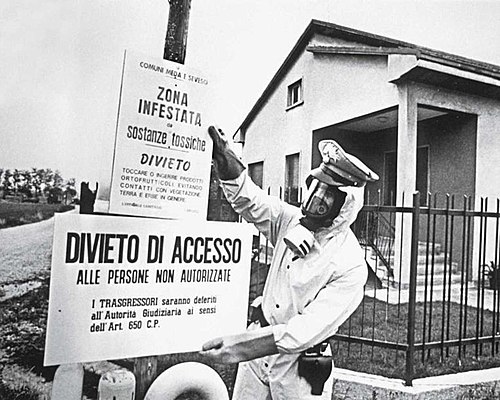
Seveso is a town located in the Lombardy region of northern Italy, approximately 20 kilometers northeast of Milan. It is part of the Metropolitan City of Milan and lies in the province of Monza and Brianza. The town is situated along the Seveso River, an important geographic feature that influenced its development. Seveso has a rich history dating back to Roman times, but it is most infamously known for the chemical disaster that occurred on July 10, 1976. A leak from a chemical factory resulted in the release of dioxin, a highly toxic compound, leading to widespread environmental and health concerns. This incident not only changed the landscape of the town but also prompted significant changes in industrial regulations and environmental policies throughout Italy and Europe.
In the decades following the disaster, Seveso underwent extensive cleanup and revitalization efforts. The local government and various organizations worked to mitigate the impact of the contamination and restore the area for public use. Today, the town features several parks and green spaces that offer recreational opportunities to residents and visitors. The population of Seveso is approximately 16,000, and it has developed into a typical suburban community, with a mix of residential areas, commercial establishments, and schools. Seveso is well-connected to Milan and other nearby cities through a network of public transportation options, making it an attractive location for commuters. The town is also home to various cultural and sporting events, reflecting its community spirit and resilience in the wake of historical challenges.
Facts about Seveso
- Seveso is most famously known for the Seveso disaster that occurred in 1976, when a chemical plant accident led to the release of dioxin into the environment, causing significant ecological and health issues.
- The city is located in the Lombardy region, just north of Milan, and is part of the metropolitan area known as the Milan metropolitan region.
- Seveso is home to the Villa Lario, a notable historic villa with beautiful gardens and architecture that reflects the style of the 18th century.
- The city has established the Seveso River Park, which offers recreational opportunities and preserves the natural habitat along the river's banks.
- Seveso has a unique blend of industrial history and residential neighborhoods, showcasing both its past as a center of manufacturing and its development as a suburban area.
- The municipality of Seveso takes part in programs to promote environmental awareness and sustainability, largely due to its history with industrial pollution.
- Seveso hosts an annual 'Festa di San Giuseppe,' which celebrates the city's patron saint with parades, religious ceremonies, and local food and crafts.
- In modern times, Seveso emphasizes the importance of safety and disaster prevention, resulting in the establishment of stringent regulations for chemical plants in the area.
- Seveso is also known for its proximity to several other notable towns, including Desio and Bovisio-Masciago, which enriches its cultural and social landscape.
- The city is served by an efficient public transport system, making it accessible to both tourists and commuters traveling to nearby cities such as Milan.