Sevilla, Spain
- 684,234 people
- 17 places to visit
- 37.3891, -5.9845
Places to Visit (17)
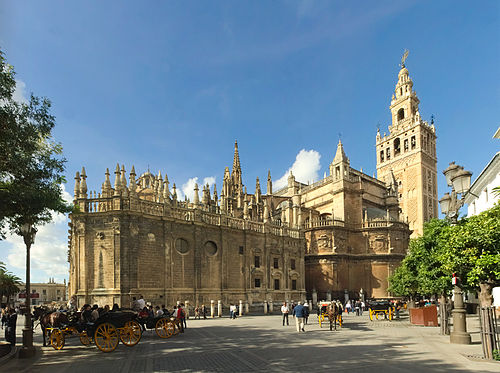
Sevilla, the capital of the Andalusia region in southern Spain, is a city renowned for its rich history, vibrant culture, and stunning architecture. Over the centuries, Sevilla has been influenced by various cultures, including the Romans and Moors, which is evident in its diverse architectural styles. The city is home to several UNESCO World Heritage sites, most notably the Cathedral of Sevilla, which is one of the largest Gothic cathedrals in the world. Adjacent to the cathedral lies the iconic Giralda, a bell tower originally built as a minaret during the Moorish rule. The Real Alcázar, a magnificent palace originally developed by Moorish Muslim kings, showcases exquisite Mudejar architecture and lush gardens, illustrating the city's historical significance and cultural depth.
Sevilla is also known for its lively traditions and festivals, most notably the Feria de Abril (April Fair) and Semana Santa (Holy Week). The Feria de Abril is a week-long celebration filled with flamenco dancing, authentic Andalusian cuisine, and colorful casetas (temporary tents) where locals socialize. Semana Santa captivates visitors with its elaborate processions, featuring ornate floats and religious icons, embodying deep-rooted customs that date back generations. The city’s gastronomy contributes to its allure, with tapas being a central aspect of social life, allowing both locals and tourists to explore a variety of flavors in a casual setting. Additionally, Sevilla is famous for its flamenco performances, showcasing the passionate dance and music that define the cultural identity of Andalusia. With its enchanting blend of history, culture, and culinary delights, Sevilla continues to be a captivating destination for travelers from around the world.
Facts about Sevilla
- Sevilla is home to the largest Gothic cathedral in the world, the Seville Cathedral, which houses the tomb of Christopher Columbus.
- The iconic La Giralda, originally a minaret from the former mosque of Sevilla, is now the bell tower of the Cathedral and offers panoramic views of the city.
- Sevilla is famous for its annual Feria de Abril (April Fair), a vibrant festival featuring traditional costumes, flamenco dancing, and local cuisine, attracting thousands of visitors each year.
- The city is known for its unique blend of Moorish and Christian architecture, with landmarks like the Alcázar Palace showcasing intricate Mudejar designs.
- Sevilla is the birthplace of flamenco, a passionate and expressive art form that combines singing, guitar playing, and dance, deeply rooted in the region's culture.
- The Metropol Parasol, also known as 'Las Setas', is one of the largest wooden structures in the world and serves as a modern architectural landmark in the heart of the city.
- Sevilla was an important port during the Age of Exploration and was the primary gateway for trade with the Americas, leading to its economic prosperity in the 16th century.
- The historic Barrio Santa Cruz is one of the most picturesque neighborhoods in Sevilla, characterized by narrow winding streets, whitewashed buildings, and vibrant patios.
- Sevilla hosts the world's largest tapas culture, with countless bars and restaurants offering a wide variety of tasty small dishes, perfect for socializing.
- The city has a strong tradition of bullfighting, epitomized by the Maestranza bullring, which is regarded as one of the most prestigious venues for the sport in Spain.