Sfântu Gheorghe, Romania
- 60,677 people
- 13 places to visit
- 45.8609, 25.7886
Places to Visit (13)
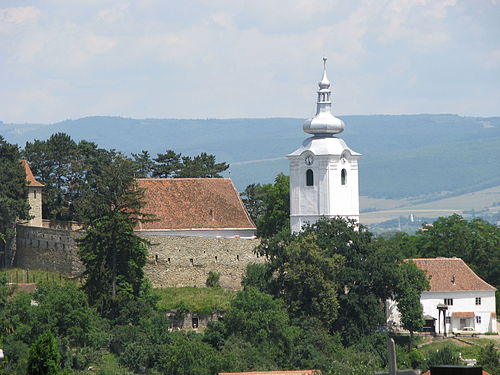
Sfântu Gheorghe is a city located in the Covasna County of central Romania, nestled at the confluence of the Târnavă Mare and Târnavă Mică rivers. Known for its picturesque landscapes and vibrant culture, the city serves as a significant center for the Szekler community, which primarily consists of ethnic Hungarians. With a population of approximately 20,000 residents, Sfântu Gheorghe has a rich history that dates back to the 12th century, when it was first established as a settlement. The area has evolved over the years, developing into an important hub for education, commerce, and tourism in the region.
The city is characterized by its historical architecture, with notable sites including the Reformed Church, built in the 14th century, which reflects Gothic architectural influences. The Town Hall, a prominent structure in the city center, showcases a blend of historical and modern elements, while various museums, such as the Museum of the Secuiesc Land, provide insight into the local culture and history. Sfântu Gheorghe is also celebrated for its natural beauty, with nearby mountainous landscapes offering opportunities for outdoor activities such as hiking, skiing, and wellness retreats. The region is known for thermal springs, particularly in the nearby town of Covasna, attracting visitors seeking relaxation and therapeutic treatments.
In addition to its cultural and natural attractions, Sfântu Gheorghe hosts various events and festivals that promote local traditions and crafts, fostering a sense of community and cultural identity. The annual Szekler Festival is a highlight, showcasing traditional music, dance, and culinary specialties, reinforcing the city's commitment to preserving its heritage. As a contemporary city, Sfântu Gheorghe also benefits from modern infrastructure and amenities, making it an attractive location for both residents and tourists alike. With its unique blend of history, culture, and natural beauty, Sfântu Gheorghe continues to be a vital part of Romania's diverse tapestry.
Facts about Sfântu Gheorghe
- Sfântu Gheorghe is the capital of Covasna County and is known for its rich Hungarian cultural heritage, distinguishing it from many other cities in Romania.
- The town has a unique blend of Romanian and Hungarian traditions, especially evident during local festivals and events such as the Hungarian Cultural Days.
- Sfântu Gheorghe is home to the largest outdoor thermal water spa in Romania, attracting visitors seeking relaxation and wellness treatments.
- The city is known for its proximity to the beautiful and eco-diverse region of the Eastern Carpathians, making it an ideal spot for outdoor activities like hiking and skiing.
- An important historical landmark in the town is the Gyöngyös (Peacock) House, which is a fine example of the Secessionist style of architecture.
- Sfântu Gheorghe has a vibrant market environment, especially the weekly farmers' market where local artisans and farmers sell their produce, goods, and crafts.
- The town is also known for its unique wooden churches, showcasing intricate local craftsmanship and relatively rare architectural styles in the region.
- Each spring, Sfântu Gheorghe hosts the International Festival of Szekler Folk Music and Dance, celebrating the rich Szekler cultural traditions of the area.
- The city has made significant investments in environmental sustainability, positioning itself as a model for green urban living in Romania.
- Sfântu Gheorghe is often referred to as the 'City of Water' due to its numerous springs and waterways that provide natural beauty and resources.