Sfax, Tunisia
- 277,278 people
- 9 places to visit
- 34.7398, 10.76
Places to Visit (9)
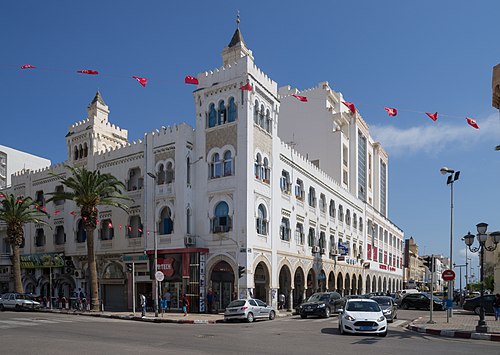
Sfax, the second-largest city in Tunisia, is located on the eastern coast of the country along the Mediterranean Sea. Known for its pivotally strategic port and industrial significance, Sfax is also an important educational and cultural hub. The city is characterized by a blend of modernity and tradition, evident in its bustling medina filled with narrow alleyways, traditional markets (souks), and well-preserved historical buildings. The medina, a UNESCO World Heritage site, is bordered by fortified walls, showcasing the city's historical significance as a trade center during medieval times. Sfax's economy is primarily driven by agriculture, especially olive oil production, and fishing, along with a robust industrial sector that includes textiles, food processing, and manufacturing.
The city also takes pride in its educational institutions, including the University of Sfax, which attracts students from various regions and plays a crucial role in promoting higher education in the country. Sfax's population is diverse, with a rich mix of cultures and traditions, contributing to its vibrant social life. The culinary scene is particularly noteworthy; local specialties such as "brik" (a savory pastry) and various seafood dishes reflect the Mediterranean influence on the city's diet. Additionally, Sfax hosts numerous festivals and events throughout the year, celebrating music, art, and the region's heritage. As Tunisia continues to develop, Sfax remains a vital part of the nation’s identity, blending its historical roots with a focus on economic growth and cultural significance.
Facts about Sfax
- Sfax is Tunisia's second-largest city and is known as the economic capital of the country, playing a crucial role in trade and commerce.
- The historic medina of Sfax has been declared a UNESCO World Heritage site, notable for its well-preserved walls and traditional architecture.
- Sfax is famous for its olive oil production, producing some of the finest extra virgin olive oils in the Mediterranean region.
- The city hosts the annual Sfax International Festival, a cultural event that showcases local and international artists in music, theater, and dance.
- Sfax is known for its vibrant seafood market and is often referred to as the 'City of Fish' due to its rich maritime resources.
- The Kasbah of Sfax, built in the 9th century, is a significant fortification that offers insight into the city's historical defense mechanisms.
- Sfax is the birthplace of the renowned Tunisian author Aboul-Qacem Echebbi, an influential figure in Arabic literature.
- The city is home to an elaborate network of aqueducts that demonstrate advanced engineering from the ancient Roman period.
- Sfax has a long-standing tradition of producing high-quality carpets, contributing to Tunisia's reputation for craftsmanship.
- Unlike many other Tunisian cities, Sfax maintains a unique blend of both modern urban development and well-preserved historical sites.