Shāhjānpur, India
- 320,434 people
- 3 places to visit
- 27.8753, 79.9147
Places to Visit (3)
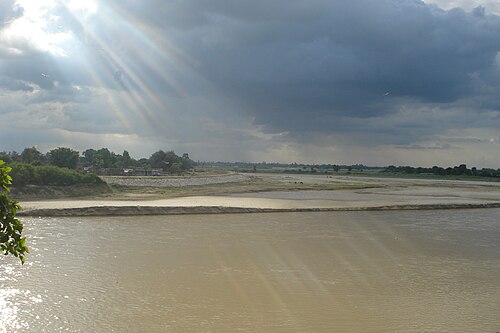
Shāhjānpur is a city located in the northern Indian state of Uttar Pradesh. It serves as the administrative center of the Shahjahanpur district. Situated approximately 200 kilometers northwest of the state capital, Lucknow, Shāhjānpur is known for its rich history and cultural heritage. The city was established in the 17th century and was named after Shah Jahan, the Mughal emperor who commissioned the Taj Mahal. Shāhjānpur has a diverse population, with a blend of various ethnicities and religions, reflecting the historical influences of different rulers and cultures throughout its existence.
The economy of Shāhjānpur is primarily driven by agriculture, with the surrounding region being fertile and conducive to the cultivation of crops like sugarcane, wheat, and rice. In addition to agriculture, the city has a growing industrial sector that includes textiles, small-scale manufacturing, and a variety of local handicrafts. Shāhjānpur is also known for its educational institutions, including schools and colleges that provide quality education in various fields. The cultural landscape of the city is vibrant, characterized by traditional festivals, local art forms, and a mix of architectural styles that reflect its historical significance. Landmark sites such as temples, mosques, and colonial-era buildings enrich the city’s identity, making it an interesting destination for those interested in exploring India's past.
In recent years, Shāhjānpur has been experiencing infrastructural development, improving connectivity with other regions through road and rail networks. This development aims to boost the economy and enhance the quality of life for its residents. Despite modern challenges, the city continues to maintain its cultural roots while adapting to contemporary demands. The combination of its historical significance, economic potential, and cultural diversity makes Shāhjānpur an important and unique city in the tapestry of India.
Facts about Shāhjānpur
- Shāhjānpur was established in the 16th century by the Mughal Emperor Shah Jahan and is named after him.
- The city is known for its historical significance during the First War of Independence in 1857, where local uprisings played a vital role.
- Shāhjānpur is renowned for its unique style of traditional art, including the crafting of wooden toys and decorative articles.
- The city has a notable contribution to India's national education system with several prominent educational institutions, such as the Shāhjānpur University.
- Shāhjānpur was an important center for the production of various handicrafts, especially in woodwork and bamboo products.
- The region is characterized by its agricultural productivity, particularly in sugarcane and wheat cultivation, which contributes significantly to the local economy.
- Shāhjānpur is known for its diverse cultural festivals, including the unique celebration of the 'Shahjahanpur Mahotsav,' which showcases local traditions and crafts.
- The city has several historical landmarks, including the ancient 'Bohra Masjid' and the 'Shah Jahan Ki Gali,' which are significant to its architectural heritage.
- Shāhjānpur is home to a unique breed of cattle known as 'Shahjahanpuri cows,' known for their strength and adaptability to the local environment.
- The city has been an important center for the publication of Urdu literature, contributing to the rich literary heritage of northern India.