Sham Shui Po, Hong Kong
- 431,090 people
- 19 places to visit
- 22.3286, 114.1603
Places to Visit (19)
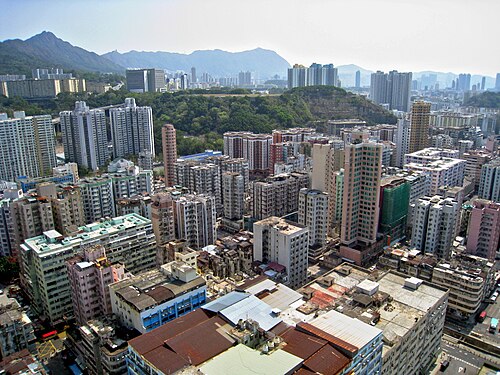
Sham Shui Po, one of Hong Kong's 18 districts, is located in the northwestern part of the Kowloon Peninsula. Known for its rich history and vibrant local culture, it has evolved from its initial role as a farming and fishing area into a bustling urban center. The district is characterized by high-density residential buildings, a mix of commercial enterprises, and clothing and electronics markets that contribute to its reputation as a hub for bargain hunters. The area showcases a unique blend of modernity and tradition, with street markets like Apliu Street, famous for its electronic goods, and the Ladies' Market, renowned for fashion items and accessories.
The demographic composition of Sham Shui Po is diverse, with a mix of various ethnicities and socio-economic backgrounds. Historically, the district has been home to many low-income families, contributing to a lively atmosphere filled with street vendors, food stalls, and small shops. Sham Shui Po is well known for its hawker culture and local eateries, where visitors can sample traditional Cantonese dishes. In recent years, the district has also attracted artists and creatives drawn by its affordable spaces and vibrant street art scene, adding another layer to its cultural fabric. Although the area faces challenges such as urban decay and economic disparities, public initiatives and community programs aim to revitalize Sham Shui Po, ensuring its continued relevance in Hong Kong's urban landscape.
Transportation in Sham Shui Po is well-connected, with access to the Mass Transit Railway (MTR) and numerous bus routes that facilitate movement within the district and to other parts of Hong Kong. Key landmarks include the Sham Shui Po Park, providing a green respite from the urban hustle, and the historic kitchenware street, Ginseng and Bird's Nest Street, which reflects the district's traditional practices and heritage. The balance of historical charm and modern urban life makes Sham Shui Po an intriguing destination for both residents and visitors, contributing to its standing as one of Hong Kong's most dynamic districts. As urban development continues, the area is poised for transformations that may further enhance its role in the city's social and economic tapestry.
Facts about Sham Shui Po
- Sham Shui Po is one of the oldest districts in Hong Kong, rich in history and cultural heritage, with its development dating back to the late 19th century.
- The district is known for its vibrant street markets, particularly the famous Apliu Street Flea Market, which offers a wide range of electronics and second-hand goods.
- Sham Shui Po is home to the Golden Computer Arcade, a well-known hub for computer hardware and gaming enthusiasts in Hong Kong.
- The area features the renowned Miu Fat Temple, a popular religious site dedicated to the goddess of mercy, attracting both locals and tourists alike.
- Sham Shui Po has many historical buildings, including the Old Tin Hau Temple, which dates back to the 18th century, representing the area's cultural significance.
- The district is known for its food scene, especially for traditional snacks and local delicacies, including the famous egg waffles and ramen shops.
- Ap Liu Street, part of Sham Shui Po, is one of the best places in Hong Kong to find vintage fashion, antiques, and unique collectibles.
- Sham Shui Po is notable for its vibrant art scene, evidenced by the presence of art galleries and public art installations throughout the district.
- The area has a high concentration of public housing estates, showcasing the history of Hong Kong's socio-economic evolution and the development of low-cost housing.
- In 2020, Sham Shui Po became a focal point during the COVID-19 pandemic due to its densely populated environment, highlighting public health challenges faced in urban settings.