Shanghai, China
- 22,315,474 people
- 16 places to visit
- 31.2304, 121.4737
Places to Visit (16)
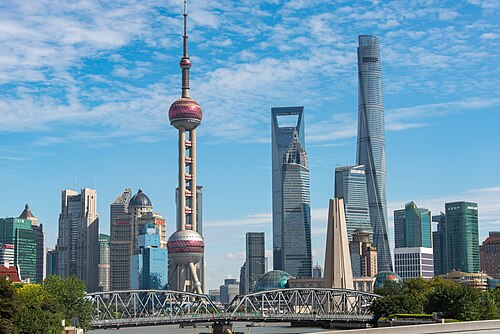
Shanghai, located on the eastern coast of China, is the country's largest city and a global financial hub with a rich history and vibrant culture. Its strategic position along the Yangtze River Delta has made it a significant trade port since the 19th century. With a population exceeding 24 million, Shanghai stands as one of the world's most populous cities. The city's skyline is dominated by iconic skyscrapers, such as the Oriental Pearl Tower, Shanghai Tower, and the Jin Mao Tower, which reflect its rapid modernization and development. Shanghai is well-known for its blend of Eastern and Western influences, particularly evident in the architecture found in areas like the Bund, where colonial-era buildings line the Huangpu River, and the historic neighborhoods of French Concession, showcasing a mix of European and Chinese aesthetics.
Shanghai's economy is one of the most dynamic in the world, driven by finance, trade, and technology. The Shanghai Stock Exchange is among the largest globally, contributing to the city's reputation as a financial center in Asia. In addition to its robust economic infrastructure, Shanghai is also a cultural and educational center, hosting numerous universities and cultural institutions, including the Shanghai Museum, which houses a vast collection of ancient Chinese art. Culinary offerings in Shanghai are diverse, from traditional local dishes like Xiaolongbao (soup dumplings) to international cuisines reflecting the city's cosmopolitan nature. The city is also famous for its vibrant nightlife and shopping districts, such as Nanjing Road, which attract both locals and tourists alike.
Despite its rapid urbanization, Shanghai maintains a unique charm through its rich traditions and cultural heritage. Festivals, such as the annual Shanghai International Film Festival and the Chinese New Year celebrations, showcase the city's artistic expression and community spirit. Additionally, efforts to preserve historical sites, including traditional gardens and temples, help to retain Shanghai's cultural identity amidst the ongoing modernization. The city is not just a symbol of China's economic might but also a melting pot of cultures, making it an essential destination for travelers wishing to experience the complexities of contemporary Chinese society. With its blend of tradition and modernity, Shanghai remains a fascinating and dynamic metropolis on the rise.
Facts about Shanghai
- Shanghai is the largest city in China by population, with over 24 million residents, making it one of the world's most populous cities.
- The city is home to the iconic skyline of Pudong, featuring towering skyscrapers such as the Oriental Pearl Tower and the Shanghai Tower, the second tallest building in the world.
- Shanghai was the first city in China to open up to foreign trade and influence in the 19th century, leading to its rapid modernization and development during the late Qing dynasty.
- The Bund, a famous waterfront promenade in Shanghai, showcases colonial-era architecture and serves as a historical symbol of the city's foreign concessions.
- Shanghai hosts the Shanghai International Film Festival, one of the largest film festivals in Asia, highlighting its importance in the global film industry.
- The city houses the world's largest container port, making it a critical hub for international trade.
- Shanghai is known for its vibrant cultural scene, including traditional Chinese opera, contemporary art galleries, and a diverse culinary landscape, including world-renowned street food.
- The Shanghai Stock Exchange is one of the largest stock exchanges in the world, playing a significant role in the global economy and investment landscape.
- Shanghai Disneyland, opened in 2016, is the first Disney park on the Chinese mainland and has quickly become one of the top tourist attractions in the city.
- Shanghai's Yu Garden, dating back to the Ming Dynasty, offers a serene escape with classical Chinese landscaping and architecture, contrasting the city's bustling urban environment.