Shāntipur, India
- 149,983 people
- 3 places to visit
- 23.2419, 88.4344
Places to Visit (3)
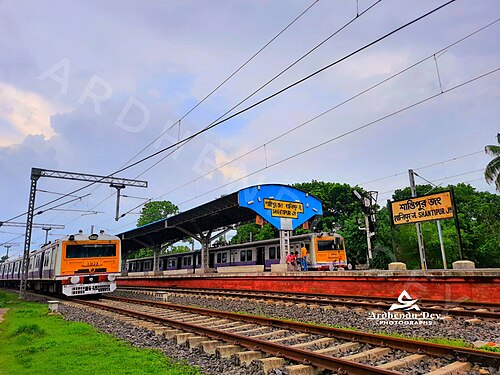
Shāntipur is a vibrant city situated in the Nadia district of West Bengal, India. Known for its rich cultural heritage and significant contributions to the textile industry, particularly in handloom weaving, Shāntipur is often recognized as a hub for traditional fabrics and garments. The city is famous for its unique type of cotton fabric called "Shāntipur Sarees," which are crafted with skill and precision by local artisans. The weaving techniques, passed down through generations, reflect the intricate craftsmanship and artistic tradition intrinsic to the region. As a result, Shāntipur plays a vital role in supporting local economies and preserving traditional skills in the face of modern industrial pressures.
In addition to its textile industry, Shāntipur is culturally significant as an important center for Bengali literature and spirituality. The city has historical connections to the Bhakti movement, particularly through the contributions of poets like Chaitanya Mahaprabhu, who is revered for his role in promoting devotion and spirituality. Temples and cultural events commemorate this legacy, featuring vibrant festivals that attract visitors and devotees alike. The city is also home to several educational institutions, contributing to a growing urban population. With its unique blend of tradition, craftsmanship, and spirituality, Shāntipur remains an important destination for those interested in exploring the cultural depths of West Bengal.
Facts about Shāntipur
- Shāntipur is renowned as a center of handloom weaving, particularly famous for its intricate and vibrant 'Tangail' and 'Shantipur' sarees, which are a significant part of West Bengal's textile heritage.
- The city is historically significant as it was a prominent center for the development of Bengali culture and literature during the 19th and early 20th centuries.
- Shāntipur is home to the ancient Shantipur Kali Temple, a revered pilgrimage site that attracts devotees from across the region, enhancing its spiritual significance.
- The city has a rich history linked to the Hindu saint and reformer Chaitanya Mahaprabhu, who is believed to have visited Shāntipur, making it an important location for followers of the Gaudiya Vaishnavism tradition.
- Shāntipur hosts the annual 'Shantipur Mela', a cultural fair that showcases traditional handicrafts, music, and dance, celebrating the local heritage and attracting visitors.
- The city is strategically located near the banks of the Bhagirathi River, which has historically facilitated trade and the movement of goods, contributing to its economic development.
- Shāntipur is part of the Nadia district, which is notable for its agricultural productivity, particularly rice and fish cultivation, providing a unique economic base compared to many other urban areas in India.
- In addition to its weaving industry, Shāntipur is known for its diverse community of artisans, including potters and craftsmen, contributing to its vibrant cultural landscape.
- The namesake of the city, 'Shantipur', translates to 'city of peace', reflecting the local ethos and cultural harmony among its residents.
- Shāntipur's location near Kolkata allows it to be a weekend getaway destination for urban dwellers, offering a unique blend of rural charm and accessibility to urban amenities.