Shantou, China
- 3,838,900 people
- 11 places to visit
- 23.3535, 116.6822
Places to Visit (11)
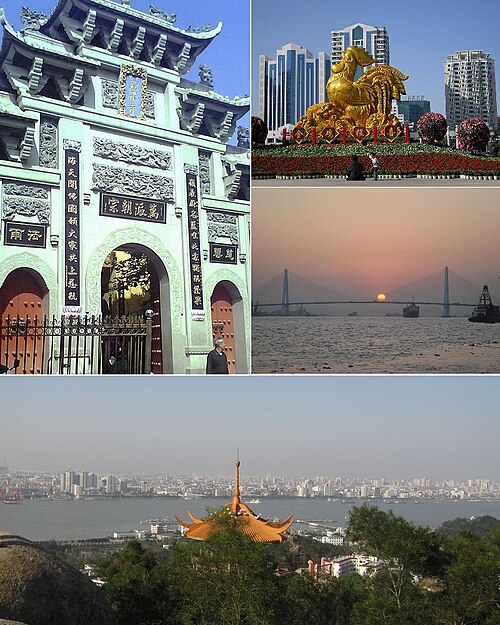
Shantou is a coastal city located in the eastern part of Guangdong Province in China. It lies along the South China Sea and is one of the major cities within the Chaoshan region, which is known for its distinct culture and dialect. Established as a treaty port in the late 19th century, Shantou has evolved into a significant economic hub, with a rich history of trade and commerce. The city's favorable position for maritime activities has made it a pivotal point for both domestic and international shipping. The population of Shantou is over 5 million people, and it has developed into an essential center for manufacturing, transportation, and food processing, significantly contributing to the regional economy.
Shantou is renowned for its vibrant cultural heritage, which reflects the influences of Cantonese and Hakka traditions. The local dialect, Teochew (or Chaozhou), is widely spoken by its residents and is an integral part of the region's identity. The city is famous for its culinary offerings, particularly Teochew cuisine, which emphasizes fresh ingredients and delicate flavors. Dishes such as steamed fish, oyster omelets, and various types of dumplings are among the culinary highlights. In addition, Shantou boasts several tourist attractions, including the historic Queshi Scenic Area, the vibrant Mazu Temple, and the picturesque beaches like Jinsha Bay. The city's landscape is marked by a mix of modern architecture and traditional structures, providing a glimpse into its historical evolution while embracing contemporary development. Overall, Shantou is a lively city that embodies a blend of cultural richness, economic vitality, and natural beauty.
Facts about Shantou
- Shantou is known for its unique dialect, Teochew, which is distinct from Mandarin and Cantonese, reflecting the city's rich cultural heritage.
- The city has a vibrant history as one of the first open ports in China in the 19th century, which facilitated foreign trade and cultural exchange.
- Shantou is famous for its delicious Teochew cuisine, including dishes like Chaozhou beef hot pot and various seafood delicacies, attracting food lovers from around the country.
- The Shantou Special Economic Zone, established in the 1980s, has played a crucial role in the city's rapid economic development and modernization.
- Shantou is home to the Swatow Pavilion, a historical landmark that showcases traditional Teochew architecture and offers a glimpse into the city's past.
- The city is recognized as an important center for the Teochew diaspora, with a large number of overseas Chinese from Shantou living in countries such as Thailand, the USA, and Singapore.
- Shantou hosts the annual Chaosan Lantern Festival, which features beautiful lantern displays and cultural performances, attracting visitors from across the region.
- The city's famous Zhongshan Road is a bustling commercial street that reflects Shantou's mix of modern and traditional shopping experiences.
- Shantou is known for its rich cultural festivals, including the traditional Teochew Opera, which is celebrated for its unique performing arts and storytelling.
- As an industrial base, Shantou is notable for its production of toys and plastics, making it a significant player in China's manufacturing sector.