Sheffield, United Kingdom
- 556,500 people
- 17 places to visit
- 53.3811, -1.4701
Places to Visit (17)
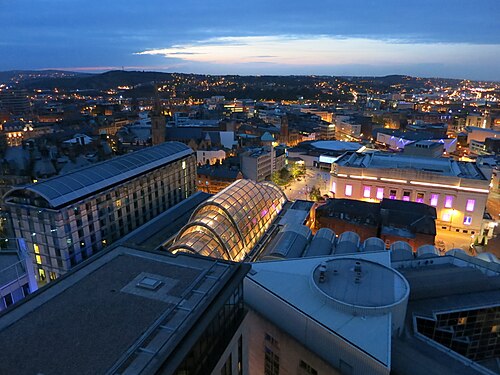
Sheffield, a city in South Yorkshire, England, is renowned for its rich industrial heritage, cultural vibrancy, and green spaces. It is situated approximately 170 miles north of London and has a population of around 580,000 residents, making it one of the largest cities in the United Kingdom. Historically, Sheffield became a significant center for steel production in the 19th century, particularly known for its high-quality cutlery and tools. The development of the crucible process by local inventors helped establish the city as an industrial powerhouse, earning the nickname "Steel City." Though the decline of traditional manufacturing in the late 20th century posed challenges, Sheffield has successfully diversified its economy, focusing on sectors such as healthcare, education, and creative industries.
Culturally, Sheffield boasts a vibrant arts scene, exemplified by its numerous galleries, theaters, and music venues. The city is home to the renowned Sheffield DocFest, a documentary festival that attracts filmmakers and audiences from around the globe. The annual Tramlines music festival showcases a diverse range of genres, while the city’s two universities—Sheffield Hallam University and the University of Sheffield—contribute to its youthful and dynamic atmosphere. Sheffield is also known for its extensive parks and green spaces, including the expansive Peak District National Park nearby, which offers abundant opportunities for outdoor activities such as hiking and cycling. The city's commitment to sustainability is evident through its Green City Strategy, which aims to enhance environmental quality and promote a greener urban landscape. With its blend of historical significance, cultural richness, and natural beauty, Sheffield continues to evolve as an attractive destination for residents and visitors alike.
Facts about Sheffield
- Sheffield is known as the Steel City due to its historic significance in the production of steel and the creation of stainless steel, which was invented there in the 1910s.
- The city is home to the largest indoor market in Europe, known as the Moor Market, showcasing local produce and crafts.
- Sheffield has one of the highest percentages of trees in Europe, with over 2 million trees providing a green urban landscape, including the city's unique 'Tree Strategy' aimed at maintaining and enhancing urban forestry.
- The city has a rich musical heritage, being the birthplace of several famous bands and artists, including Pulp, Arctic Monkeys, and Human League.
- Sheffield is recognized for its sports culture, with the world’s oldest football club, Sheffield FC, founded in 1857, and the city also hosted the first federal soccer match in 1863.
- It has significant academic institutions, including the University of Sheffield, known for its world-class research and being a member of the prestigious Russell Group.
- Sheffield's Winter Garden is one of the largest temperate glasshouses in the UK, featuring over 2,500 plants from different parts of the world.
- The city was one of the first to be designated as a City of Culture, receiving this honor in 1991, reinforcing its significance in arts and culture.
- Sheffield has gained recognition for its innovative arts scene, hosting several arts festivals, including the renowned Sheffield Doc/Fest, which celebrates documentary filmmaking.
- The Peak District National Park, which lies on the doorstep of Sheffield, was the first national park in the UK, offering stunning landscapes and a gateway for outdoor enthusiasts.