Sherbrooke, Canada
- 129,447 people
- 15 places to visit
- 45.4043, -71.8937
Places to Visit (15)
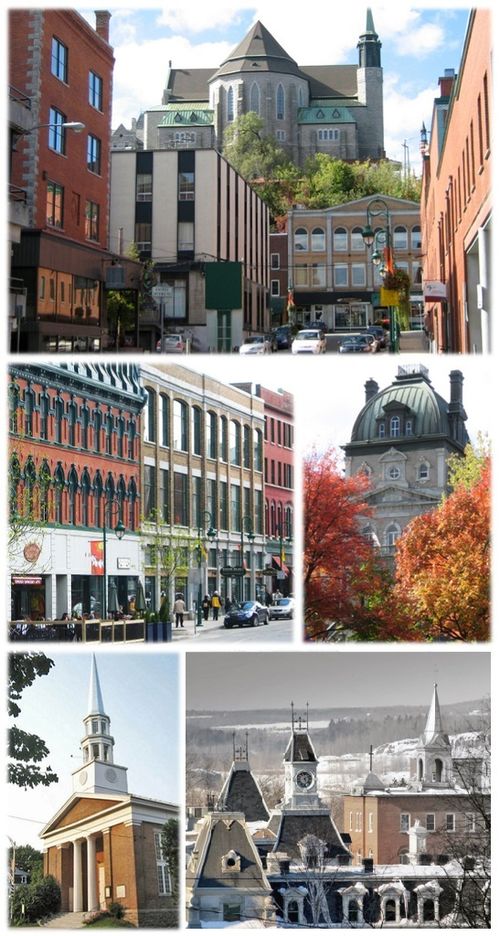
Sherbrooke is a vibrant city located in the Eastern Townships region of Quebec, Canada. Situated at the confluence of the Saint-François and Magog rivers, it has a population of approximately 160,000 residents, making it the sixth-largest city in Quebec. Founded in 1793, Sherbrooke has a rich history and has evolved from a small settlement into a bustling urban center. The city was named after the British governor, Sir John Sherbrooke, and became an important hub during the 19th century, particularly with the advent of the railway which connected it to other major cities. Today, Sherbrooke is known for its diverse economy, which includes sectors like education, healthcare, manufacturing, and technology.
Sherbrooke is also recognized for its educational institutions, prominently featuring the Université de Sherbrooke and Bishop's University, both of which contribute to the city's dynamic atmosphere and cultural life. The city boasts a range of cultural and recreational activities, with numerous parks, galleries, and theaters. The annual Sherbrooke Festival of Lights illuminates the city during the winter season, while summer brings various festivals celebrating music, culture, and local cuisine. The city is geographically blessed, with access to outdoor activities such as hiking, skiing, and cycling in the surrounding hills and forests, making it an attractive destination for nature enthusiasts. Furthermore, Sherbrooke's commitment to sustainability and environmentally friendly practices has positioned it as a leader in green initiatives within Quebec. Overall, Sherbrooke beautifully combines the charm of a smaller city with the amenities and opportunities typically found in larger urban centers.
Facts about Sherbrooke
- Sherbrooke is the largest city in the Eastern Townships of Quebec, known for its picturesque landscapes and rich cultural heritage.
- The city is home to the Université de Sherbrooke, one of the major French-language universities in Canada, recognized for its innovative research and expansive campus.
- Sherbrooke's historic downtown features architecture from the late 19th and early 20th centuries, including the iconic St. Michel Cathedral, which showcases Gothic Revival design.
- Every summer, Sherbrooke hosts the Festival des traditions du monde, a multicultural festival celebrating global cultures through music, dance, and culinary experiences.
- Sherbrooke is distinguished by its vibrant arts scene, including the Musée des beaux-arts de Sherbrooke, which houses a collection of works by local and international artists.
- The city is a hub for outdoor activities, located at the confluence of the Magog and Saint-François rivers, making it a popular destination for kayaking, cycling, and hiking.
- Sherbrooke has a strong history in the textile industry and was once known as the 'Textile Capital of Canada' during the 19th century.
- The Sherbrooke Marine Centre, located at Lac des Nations, is a recreational area that provides water sports and scenic walking paths, attracting both residents and tourists.
- In 2019, Sherbrooke was named the 'Cycling Capital of Quebec' due to its extensive network of biking paths and commitment to promoting sustainable transportation.
- The city emphasizes environmental sustainability, being recognized as a green city with initiatives aimed at reducing carbon emissions and promoting green spaces.