Shibganj, Bangladesh
- 378,701 people
- 24.685, 88.1564
No places available for this city.
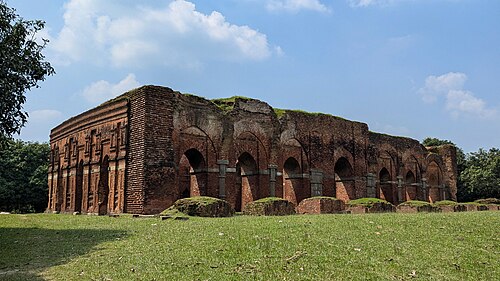
Shibganj is a prominent upazila (sub-district) in the Chapainawabganj District of Bangladesh, located in the northwestern part of the country. This area is renowned for its agricultural richness and is situated near the banks of the Ganges River. Shibganj serves as an essential hub for local trade and commerce, heavily influenced by its agricultural output. The fertile lands of Shibganj are well-suited for various crops, particularly rice, jute, and sugarcane, making agriculture the backbone of the local economy. Additionally, the region is known for its mangoes, with many varieties cultivated, including the famous Langra and Himsagar.
The cultural landscape of Shibganj is rich and diverse, reflecting a mix of traditional Bengali customs and modern influences. The upazila is home to a variety of festivals, including local cultural celebrations and religious events, prominently featuring traditional music, dance, and cuisine. The population of Shibganj is predominantly rural, with many residents engaged in farming and agribusiness. The local infrastructure, including roads and communication systems, has improved over the years, facilitating better access to markets and services. Educational institutions, health facilities, and community centers continue to develop, contributing to the overall enhancement of living standards in the area. With its blend of economic activity, cultural richness, and ongoing development, Shibganj plays a vital role in the socio-economic framework of Bangladesh.
Facts about Shibganj
- Shibganj is known for its historical significance, being the site of the ancient kingdom of Gaur, which was an important center of heritage and governance during the mediaeval period.
- The city hosts the 14th-century mosque, Shat Gombuj Masjid, which is renowned for its impressive architecture and is a UNESCO World Heritage Site.
- Shibganj is located near the confluence of the Ganges and Padma rivers, which provides it with unique natural beauty and fertile land for agriculture.
- The Shibganj Upazila is famous for its production of mangoes, particularly the Chaunsa variety, which is highly sought after both domestically and internationally.
- The annual Shibganj Puthibazar Mela (book fair) is an event celebrating literature, arts, and local culture, attracting participants from all over Bangladesh.
- The local economy of Shibganj is significantly supported by traditional crafts, including pottery and handloom textiles, making it unique in terms of artisanal products.
- Shibganj is home to the historic Panka Jora Dighi, an ancient pond surrounded by tales of folklore and local legends, adding to its cultural richness.
- The city features the Nawab Gazi Shah's tomb, a significant historical site that reflects the city's connections to the Nawabi era of Bengal.
- Shibganj has a diverse community profile, with various religious and ethnic groups coexisting, showcasing the rich multicultural heritage of the region.
- The vibrant local markets in Shibganj offer a unique blend of modern and traditional Bangladeshi goods, making it a shopping destination that stands out in the region.