Shijiazhuang, China
- 3,938,513 people
- 6 places to visit
- 38.0428, 114.5143
Places to Visit (6)
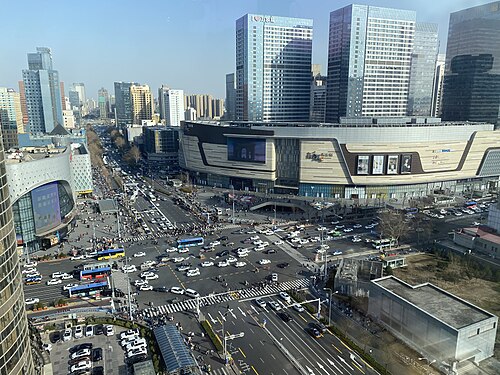
Shijiazhuang, the capital of Hebei Province in northern China, is a rapidly developing city located approximately 280 kilometers southwest of Beijing. As of the latest census, it has a population of over 11 million people, making it one of the largest cities in northern China. Established as a small town during the Ming Dynasty, it began to gain prominence in the late 19th century with the construction of the Beijing–Kowloon railway, which transformed it into a commercial hub. Today, Shijiazhuang serves as a significant political, economic, and cultural center for the region, exhibiting a blend of modern architecture and historical sites.
The city's economy has diversified significantly since the reforms of the late 20th century, transitioning from reliance on agriculture to a more balanced industrial base. Shijiazhuang is particularly noted for its pharmaceutical, textile, and machinery industries. Additionally, it has developed a robust infrastructure, including extensive transportation networks comprised of railways, highways, and an international airport, which facilitate its connections to other major cities in China and abroad. Despite its rapid urbanization, Shijiazhuang is also home to several parks and historical attractions such as the Zhaozhou Bridge, one of the oldest stone arches in China, and the sites associated with the nearby Taihang Mountains.
Culturally, Shijiazhuang is a melting pot that reflects the influences of various Chinese ethnic groups. The city hosts several annual festivals and cultural events that highlight its rich traditions and local customs. Educationally, Shijiazhuang boasts numerous universities and research institutions, contributing to its reputation as an emerging center for innovation and learning. The government continues to implement policies aimed at enhancing the city's livability and environmental sustainability, balancing its industrial growth with efforts to preserve green spaces. As a key city in China's economic landscape, Shijiazhuang is poised for continued growth and development in the coming years.
Facts about Shijiazhuang
- Shijiazhuang is the capital and largest city of Hebei Province, making it a key political and economic hub in northern China.
- The city is known for its vibrant textile industry, which has historically contributed significantly to its economic development.
- Shijiazhuang was established as a city in 1925, and it has rapidly developed into a major urban center since then, distinguishing it from many ancient cities in China.
- It hosts the impressive Zhaozhou Bridge, built during the Sui Dynasty, which is considered the oldest existing bridge made of stone in China and a prime example of ancient engineering.
- Shijiazhuang is notable for its proximity to the Taihang Mountains, providing residents and visitors with access to scenic natural landscapes and outdoor activities.
- The city is home to the Hebei Museum, which showcases artifacts and exhibits that reflect the rich history and culture of the Hebei region.
- Shijiazhuang is a transportation hub with well-developed rail and road networks that connect it to major cities such as Beijing and Tianjin.
- In recent years, Shijiazhuang has been recognized for its efforts in environmental protection and urban planning, setting it apart from other rapidly urbanizing areas in China.
- The city has hosted the Hebei International Cultural Tourism Festival, promoting local culture and tourism in a way that highlights its unique regional identity.
- Shijiazhuang is known for its unique local cuisine, particularly the famous 'Shijiazhuang pancakes' and its variety of traditional snacks that attract food enthusiasts.