Shimabara, Japan
- 38,113 people
- 7 places to visit
- 32.7882, 130.3708
Places to Visit (7)
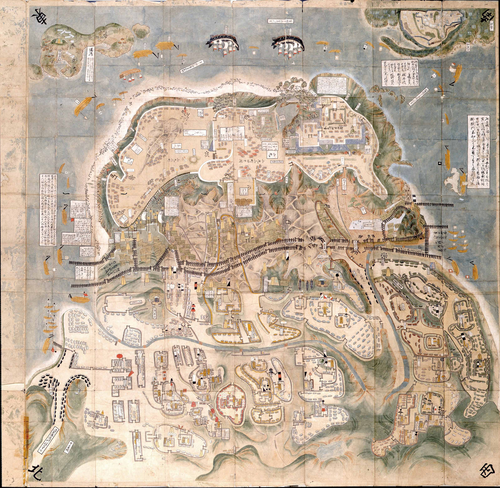
Shimabara is a city located in Nagasaki Prefecture on the island of Kyushu, Japan. Nestled between the Omura Bay and the majestic mountains of the Shimabara Peninsula, it is known for its stunning natural landscapes and rich cultural heritage. With a population of approximately 40,000, Shimabara is characterized by its historical significance, particularly during the Edo period, and is famous for the Shimabara Rebellion of 1637-1638, which was a major uprising against the Tokugawa shogunate. This rebellion was significantly influenced by the region's Christian converts who faced persecution following the shogunate's policies aimed at eliminating Christianity in Japan. The aftermath of the rebellion led to a stricter enforcement of these policies but also left a cultural footprint that is still acknowledged today.
The city is renowned for its hot springs, especially the "Shimabara Onsen," attracting tourists and locals alike. The geothermal activity in the area is due to the surrounding volcanic landscape, particularly the nearby Mount Unzen, an active stratovolcano that is part of the Unzen-Amakusa National Park. Additionally, Shimabara is celebrated for its scenic beauty and traditional Japanese architecture, with remnants of its Edo-period castle still standing in the city center. The Shimabara Castle, originally built in 1620, played a significant role in the city's history, serving as a bastion during the turbulent times of the Edo period. Today, the castle and its surrounding gardens are a popular spot for visitors, providing insight into the city’s past while offering picturesque views.
Culturally, Shimabara hosts several festivals throughout the year, the most notable being the Shimabara Fire Festival, which celebrates the volcanic activity of the region with vibrant displays and fire performances. The city is also famous for its local delicacies, including fresh seafood and the traditional dish "Shimabara-tama-yaki," a type of savory pancake filled with local ingredients. This combination of natural beauty, rich history, and vibrant culture makes Shimabara a noteworthy destination in Japan, appealing to history enthusiasts, nature lovers, and those savoring authentic Japanese cuisine. Furthermore, its proximity to other attractions in Nagasaki Prefecture positions Shimabara as a valuable stop for travelers exploring the unique landscapes and histories of Kyushu.
Facts about Shimabara
- Shimabara is known for the historic Shimabara Castle, which was completed in 1624 and is unique for its association with the Shimabara Rebellion of 1637-1638.
- The city is located in Nagasaki Prefecture and is nestled between the active volcano Mount Unzen and the Ariake Sea, making it geographically distinctive in Japan.
- Shimabara is famous for its hot springs, known as onsen, particularly due to its proximity to the volcanic activity from Mount Unzen, providing unique geothermal experiences.
- The Shimabara Peninsula is renowned for its production of high-quality tangerines, specifically the 'Shiranui' variety, contributing significantly to the local economy and culture.
- The annual Shimabara Fireworks Festival, held every August, features a stunning display of fireworks over the sea, attracting visitors from all over Japan.
- Shimabara has a unique cultural heritage linked to Christianity, having been a center for Christian activity during the early 17th century, which was later suppressed during the Edo period.
- The city hosts the Shimabara Ninja Village, where visitors can experience traditional ninja activities and learn about the historical significance of ninjas in the region.
- Shimabara is well-known for its traditional textile arts, particularly the production of silk, which has been an essential industry since the Edo period.
- The rich history of the Shimabara Rebellion is commemorated in various museums and memorials throughout the city, offering insights into the struggles of the Christian community at that time.
- The city's scenic beauty includes views of the Unzen Mountains and cherry blossom blooms, making it a popular destination for tourists seeking nature combined with historical significance.