Shimla, India
- 173,503 people
- 17 places to visit
- 31.1048, 77.1734
Places to Visit (17)
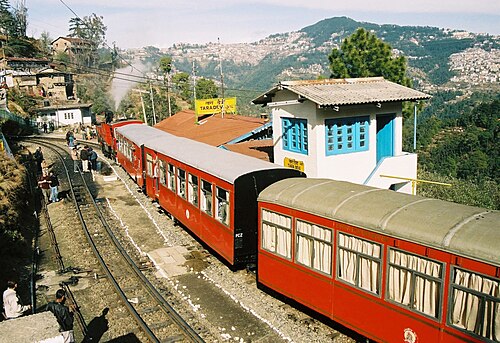
Shimla, the capital city of the Indian state of Himachal Pradesh, is a renowned hill station that attracts numerous tourists every year. Nestled in the northwestern Himalayas at an altitude of approximately 2,200 meters (7,200 feet), Shimla serves as a popular retreat from the sweltering heat of the plains during the summer months. The city was established as a summer capital by the British during the mid-19th century, which greatly influenced its architecture and culture. This colonial legacy is visible in the grand structures that line the streets, including the Viceregal Lodge, now known as Rashtrapati Niwas, and the charming Mall Road, which offers stunning views of the surrounding mountains.
Shimla's natural beauty is complemented by its temperate climate, characterized by cool summers and cold winters, where snowfall is common from December to February. The city is surrounded by dense forests of pine, deodar, and oak, making it an ideal spot for trekking, nature walks, and other outdoor activities. Popular tourist attractions include Jakhoo Hill, which boasts a large Hanuman statue, the picturesque Kufri, known for adventure sports, and the serene Shimla Ridge, which provides a panoramic view of the hills. Shimla is also famous for its vibrant local culture, which includes traditional Himachali crafts, music, and cuisine, attracting visitors who wish to experience the unique heritage of the region.
Economically, Shimla relies on tourism, which plays a pivotal role in its development and livelihood for many residents. The city also serves as an educational hub, housing several institutes, including the Indian Institute of Advanced Study. The blend of historical significance, stunning landscapes, and cultural richness makes Shimla a distinctive destination in India, often referred to as the "Queen of Hills." With its combination of scenic beauty, historical architecture, and a pleasant climate, Shimla continues to be a favored locale for both domestic and international travelers.
Facts about Shimla
- Shimla served as the summer capital of British India from 1864 until independence in 1947, which distinguishes it as a significant colonial heritage site.
- The city is renowned for its distinctive neo-gothic architecture, with the most famous structure being the Viceregal Lodge, which now houses the Indian Institute of Advanced Study.
- Shimla is located at an elevation of approximately 2,205 meters (7,234 feet) in the Himalayas, making it one of the highest hill stations in India.
- The Mall Road in Shimla is a famous promenade that is closed to vehicles, offering a unique pedestrian-friendly experience often compared to other busy city roads in India.
- Shimla hosts the annual Summer Festival, which is a vibrant cultural event that showcases local traditions, cuisines, and arts, attracting both tourists and locals alike.
- The Kalka-Shimla Railway is a UNESCO World Heritage Site, known for its stunning scenic routes and engineering marvels, making it one of the few remaining narrow-gauge railways in India.
- The town has a large number of picturesque churches, with Christ Church being the second oldest church in North India, known for its stunning stained glass windows.
- Shimla is famous for its apple orchards, contributing significantly to India's apple production, and is distinct for its agricultural landscape compared to other urban areas.
- The city played a key role during the 1940s as the site for several important political meetings regarding India's independence, giving it historical significance.
- Due to its unique climate, Shimla experiences snowfall during winter months, making it one of the few places in Northern India where tourists can enjoy a winter wonderland.