Shimoga, India
- 319,550 people
- 7 places to visit
- 13.9299, 75.5681
Places to Visit (7)
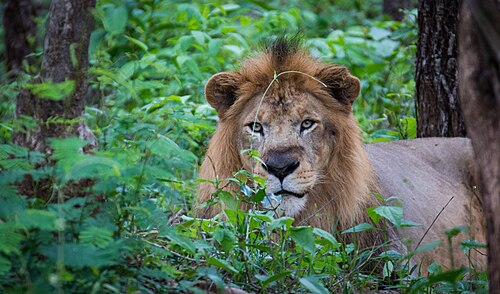
Shimoga, also known as Shivamogga, is a city in the Indian state of Karnataka, located in the Southwestern region of the country. It serves as the administrative headquarters of the Shivamogga district and is positioned on the banks of the Tunga River, which flows into the Arabian Sea. The city is known for its rich cultural heritage, historical significance, and diverse natural landscapes, including lush greenery, hills, and rivers. Shimoga is often referred to as the “Gateway to the Western Ghats,” a UNESCO World Heritage Site, and is well-known for its proximity to numerous natural attractions and wildlife sanctuaries.
The economy of Shimoga is primarily driven by agriculture, with major crops including rice, coffee, and areca nut. The region is notable for its fertile soil and favorable climate, which support diverse agricultural practices. In addition to agriculture, Shimoga has been developing in sectors like education, tourism, and manufacturing in recent years. The city hosts various educational institutions, including universities and engineering colleges, attracting students from different parts of Karnataka. Tourist attractions surrounding Shimoga include the famous Jog Falls, one of the tallest waterfalls in India, and the historic temples of the region, such as the Keladi and Hucheshwark temple complex.
Shimoga’s culture reflects a blend of traditional values and modern influences, with various festivals celebrated throughout the year. The city hosts important cultural events, promoting local art, music, and folklore. Its vibrant marketplace and traditional handicrafts reflect the ingenuity and creativity of the local artisans. With its natural beauty, rich cultural tapestry, and economic prospects, Shimoga continues to be an important city in Karnataka, offering insights into both the historical and contemporary lifestyle of the region.
Facts about Shimoga
- Shimoga, officially known as Shivamogga, is situated in the heart of Karnataka and serves as the gateway to the Western Ghats, a UNESCO World Heritage Site.
- The city is famous for the Jog Falls, one of the highest waterfalls in India, which attracts thousands of tourists each year.
- Shimoga is known for its rich heritage and is home to ancient temples such as the Mahaganapati Temple, which dates back to the 12th century.
- The region is renowned for its diverse flora and fauna, with the Bhadra Wildlife Sanctuary located nearby, providing a habitat for various species, including the Indian elephant.
- Shimoga has a rich agricultural background, particularly in the cultivation of paddy, areca nut, and coffee, contributing significantly to Karnataka's economy.
- The city is also notable for its unique cultural festivals, such as the 'Shivamogga Dasara,' which showcases local art, dance, and music.
- Shimoga was historically significant during the Vijayanagara Empire, with remnants of this era visible in the architecture and archaeological sites in the vicinity.
- The city is well-known for its contribution to Kannada literature, being the birthplace of notable writers like Kuvempu, who is known for his influence on modern Kannada literature.
- Shimoga is strategically located at the intersection of major highways, making it a key transport hub for the region, thus facilitating trade and commerce.
- The city's vibrant education scene is highlighted by numerous institutions, including the Shimoga Institute of Medical Sciences, fostering a strong academic environment.