Shimonoseki, Japan
- 265,684 people
- 14 places to visit
- 33.9575, 130.9412
Places to Visit (14)
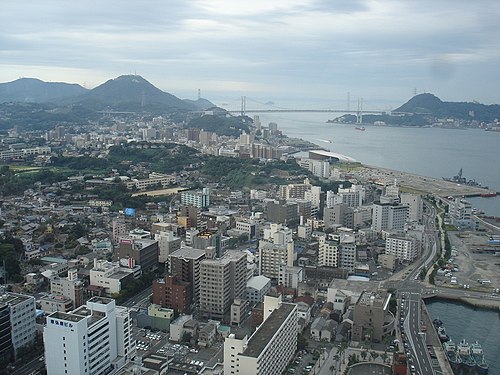
Shimonoseki is a city located at the southwestern tip of Honshu, the main island of Japan, in Yamaguchi Prefecture. Situated at the narrow Kanmon Strait, which separates Honshu from Kyushu, Shimonoseki serves as an essential shipping and transportation hub. With a population of around 250,000, the city combines urban modernity with rich historical significance. It has a strategic geographical position, historically serving as a gateway for trade and cultural exchange between Japan and the Asian mainland. The city played a crucial role during Japan's modernization and was prominent in the events leading to the Meiji Restoration in the late 19th century.
Shimonoseki is well-known for its thriving fisheries and seafood cuisine, particularly its fugu, or pufferfish, which is considered a delicacy. The city hosts the annual Shimonoseki Fugu Festival, celebrating this unique culinary tradition and attracting tourists keen to sample fugu prepared by licensed chefs. Besides its gastronomic appeal, Shimonoseki is rich in cultural sites and landmarks. The Kanmon Bridge, connecting the two islands, serves as an iconic symbol of the city's modern infrastructure. Additionally, the city's historical wealth is evident in its museums and landmarks, like the Shimonoseki Historical Museum and the vibrant Hikura Shrine.
The educational and economic sectors of Shimonoseki also contribute to its local identity. The city is home to various institutions, including the Yamaguchi University, which fosters educational development and innovation. In recent years, the area has been investing in tourism and infrastructure to leverage its unique geographic position, aiming to enhance its appeal to domestic and international visitors. These development efforts reflect Shimonoseki's vision of blending its historical roots with contemporary growth while maintaining its identity as an essential cultural and economic center in western Japan.
Facts about Shimonoseki
- Shimonoseki is famous for its fugu (pufferfish) cuisine, being one of the most renowned places in Japan for this delicacy, with strict licenses required to prepare it.
- The city played a significant role in Japanese history during the Boshin War, serving as a strategic port and later as a base for the Imperial forces.
- Shimonoseki is home to the Kanmon Bridge, which connects Honshu and Kyushu, and is one of the longest suspension bridges in the world.
- The city is notable for the Treaty of Shimonoseki, signed in 1895, which concluded the First Sino-Japanese War and ended China's tributary status to Japan.
- Shimonoseki is known for its unique and colorful Kankakei Gorge, a designated national scenic area that showcases stunning natural beauty, especially during autumn.
- The city hosts the Shimonoseki Kaikyo Festival, an annual event that celebrates the area’s rich maritime culture with parades, fireworks, and local delicacies.
- Shimonoseki is adjacent to the Kanmon Straits, making it a vital maritime passage that has historically enhanced its strategic importance as a shipping and trade center.
- The Tsunoshima Bridge, another key landmark, links Tsunoshima Island to the mainland and offers scenic coastal views, making it a popular spot for tourists.
- Shimonoseki has a rich tradition of traditional crafts, including the production of unique lacquerware and textiles that reflect the region's cultural heritage.
- The city is home to the Shimonoseki Marine Science Museum, showcasing marine life from the surrounding waters, which highlights Shimonoseki's connection to the sea.