Shingū, Japan
- 27,491 people
- 33.714, 130.4313
No places available for this city.
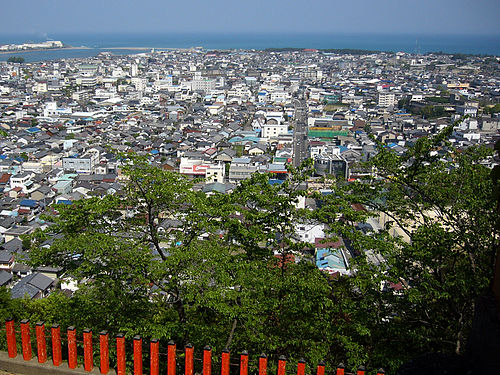
Shingū is a picturesque city located in the Wakayama Prefecture of Japan, nestled along the Kii Peninsula. It lies at the confluence of the Kumano River and the Pacific Ocean, which enhances its scenic beauty and has historically played a significant role in the region's economy and culture. With a population of approximately 27,000 residents, Shingū offers a blend of traditional Japanese culture and modern living. The city's history is deeply rooted in its significance as a spiritual hub, being close to several UNESCO World Heritage sites, including the Kumano Kodo pilgrimage routes and the Kumano Nachi Taisha, one of Japan's most revered Shinto shrines.
Shingū is known for its rich cultural heritage and natural attractions, making it a popular destination for tourists seeking both relaxation and exploration. The city is famous for the Nachi Falls, one of the tallest waterfalls in Japan, which is an important site for worship and draws many visitors each year. Additionally, Shingū has a vibrant local economy that thrives on agriculture, seafood, and tourism, bolstered by its coastal location. The city celebrates various festivals throughout the year, including the energetic Shingū Matsuri, which showcases local traditions and customs. With its breathtaking landscapes, historical landmarks, and cultural significance, Shingū captures the essence of Japan's rich legacy while continuing to evolve as a modern city.
Facts about Shingū
- Shingū is known for its rich history and is home to the Kumano Hayatama Taisha, one of the three main shrines of the Kumano Sanzan, which is a UNESCO World Heritage site.
- The city is located at the mouth of the Kumano River, which has historically served as a vital waterway for trade and transportation in the region.
- Shingū is famous for the Kumano Kodo pilgrimage routes that intertwine throughout the area, attracting hikers and spiritual travelers from around the world.
- The Hayatama Taisha shrine in Shingū features a unique sacred tree known as the 'Yoshino Cedar', which is estimated to be over 1,000 years old.
- Shingū hosts the Shingū Uminchu Matsuri, a colorful festival that celebrates the city's rich maritime culture and the local fishing community.
- The city's annual Shingū Fire Festival, held in late July, is one of the largest and most vibrant fire festivals in Japan, featuring stunning fire displays and traditional performances.
- Shingū is notable for its fishing industry, particularly for its high-quality tuna catch, which plays a significant role in the local economy.
- The city is surrounded by scenic natural beauty, including rugged coastlines and lush mountains, making it a popular destination for outdoor activities like hiking and fishing.
- Shingū has a unique blend of Shinto and Buddhist influences, evident in its diverse religious architecture and practices present in the area.
- The city is known for its traditional crafts, particularly the production of Kumano brushes, which are renowned for their quality and craftsmanship.