Shinjō, Japan
- 41,140 people
- 15 places to visit
- 38.765, 140.3017
Places to Visit (15)
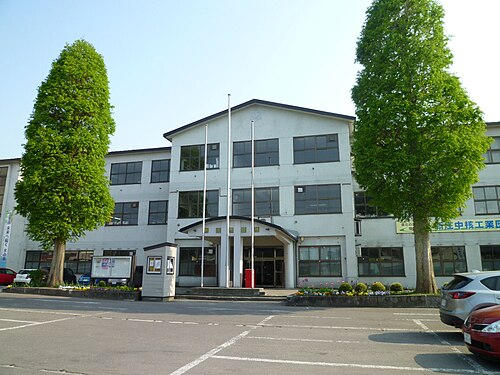
Shinjō is a city located in Yamagata Prefecture, Japan, nestled in the southeastern part of the Tohoku region. Established as a city on April 1, 1954, Shinjō encompasses an area of approximately 176.62 square kilometers and has a population of around 25,000 residents as of the latest estimates. The city is surrounded by stunning natural landscapes, including the eastern foothills of the Dewa Mountains, making it a picturesque destination for outdoor activities such as hiking and skiing. The region experiences a humid continental climate, characterized by hot summers and cold winters, which further enhances its seasonal beauty, particularly noted during cherry blossom festivals in spring and vibrant foliage in autumn.
Shinjō is also known for its rich cultural heritage and historical significance. The city was once a prominent center for the production of silk, which played a crucial role in the local economy during the Meiji and Taisho periods. Today, visitors can explore cultural sites such as the Shinjō Castle ruins and various temples, which offer insights into the city's past. The city also hosts several annual festivals, including the Shinjō Tanabata Festival, celebrated in August with colorful decorations and traditional performances. Additionally, Shinjō serves as a hub for local agriculture, famous for its high-quality rice and fruit, particularly cherries, which are celebrated during the cherry-picking season. The city's unique combination of historical significance and natural beauty makes it an appealing destination within the Yamagata Prefecture.
Facts about Shinjō
- Shinjō is known as the 'City of Water' due to its rich water resources and numerous rivers that flow through the area.
- The city is famous for its annual Shinjō Water Festival, which celebrates the beauty of the rivers and promotes community bonding.
- Shinjō has a unique historical significance as it was the site of a major battle during the Boshin War, contributing to the Meiji Restoration.
- The city's agriculture is notable for producing high-quality rice and sake, benefiting from the pure water and fertile lands in the region.
- Shinjō hosts the Sarukamiko Shrine, known for its unusual monkey deity, drawing visitors who seek blessings for good fortune and health.
- The city has a strong connection to the railways, featuring the prominent Shinjō Station that serves as an important transportation hub in Yamagata Prefecture.
- Shinjō is home to the Kōkyo (Imperial) Garden, a historically significant site that showcases the traditional Japanese landscape garden style.
- The city is distinguished by its production of handmade paper (washi), a traditional craft that has been preserved over generations.
- Shinjō has a local dish called 'Shinjō Katsu', which is a unique style of pork cutlet that differs from typical tonkatsu found in other regions.
- The area's rich cultural heritage is celebrated through various festivals throughout the year that highlight local arts and crafts.