Shiraoka, Japan
- 50,974 people
- 12 places to visit
- 36.0191, 139.6769
Places to Visit (12)
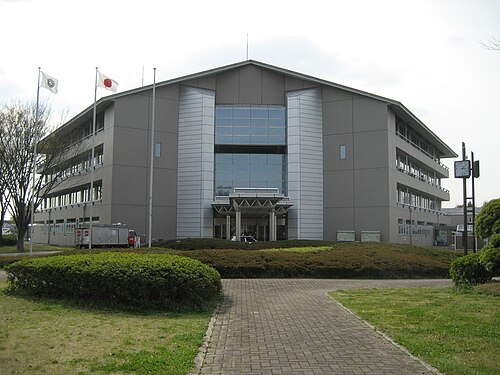
Shiraoka is a city located in Saitama Prefecture, Japan, approximately 45 kilometers northwest of central Tokyo. As of the latest census, Shiraoka has a population of around 80,000 residents. The city covers an area of 32.37 square kilometers and features a mix of urban developments and picturesque rural landscapes, making it an appealing location for both residents and visitors. Shiraoka is characterized by its rich historical heritage and was officially designated as a city on April 1, 2005, after merging several neighboring towns.
The city is known for its cultural sites, including the historic Shinmeigu Shrine, which dates back to the Jomon period. This shrine, along with others in the area, plays a significant role in Shiraoka's community and festivals. The city also hosts various annual events, such as the Shiraoka Hina Matsuri, a traditional doll festival that celebrates the culture of hina dolls, attracting both locals and tourists alike. Shiraoka’s economy is primarily supported by agriculture, with rice, vegetables, and flowers being significant products. The city's location near major transportation routes allows for easy access to urban centers, contributing to its appeal as a residential area for people working in Tokyo and surrounding cities.
Shiraoka is well-connected by rail and road, featuring convenient access to the Tōbu Nishiarai Line and the Kan-Etsu Expressway. These transportation links enhance its accessibility and contribute to its residential appeal. The city is also home to several parks and recreational facilities, promoting outdoor activities and family-oriented environments. Education is well-supported, with a range of public and private schools serving the community. Overall, Shiraoka represents a harmonious blend of history, culture, and modern living, making it a unique city within Japan's Saitama Prefecture.
Facts about Shiraoka
- Shiraoka is known for its traditional Japanese craft of 'Shiraoka Kawaii', emphasizing local artistry and culture, which sets it apart from many other cities.
- The city is home to the annual Shiraoka Bon Odori festival, a unique celebration that combines traditional dance with modern influences, attracting visitors from across the region.
- Shiraoka boasts an impressive number of ancient shrines and temples, including the historic Myōkō-ji, which dates back to the Heian period, distinguished by its architectural heritage.
- The city is situated at a geographical crossroad, making it a historical hub for trade and transportation since ancient times, which has influenced its economic development.
- Shiraoka is renowned for its agricultural products, particularly its high-quality rice and strawberries, which are celebrated during local harvest festivals.
- Shiraoka's landscape is characterized by the beautiful Saitama Prefectural Flower Park, which features seasonal flowers and is a popular site for both locals and tourists.
- The city has a long-standing tradition of pottery known as 'Shiraoka-yaki', which is recognized for its distinctive style and craftsmanship unique to the region.
- Shiraoka is part of the Saitama Prefecture’s cultural initiatives, promoting arts and crafts, positioning it as a center for creativity and cultural exchange.
- The city has several public parks and recreational areas, such as the Kitamoto Lake area, which showcases Shiraoka's commitment to preserving nature and providing outdoor spaces.
- Shiraoka is known for its commitment to sustainability and eco-friendly initiatives, leading the way in environmentally conscious practices within the region.