Shuangyashan, China
- 600,000 people
- 8 places to visit
- 46.6466, 131.1591
Places to Visit (8)
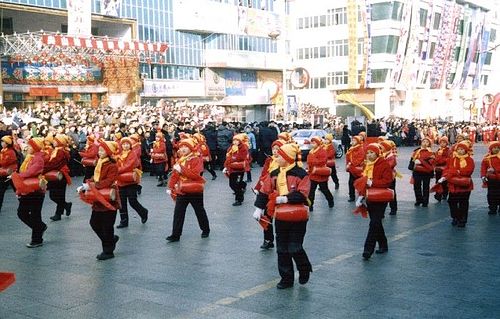
Shuangyashan is a city located in the eastern part of Heilongjiang Province in northeastern China. Established as a city in 1985, Shuangyashan has grown primarily due to its abundant natural resources, particularly coal, which has played a significant role in its economic development. The city serves as a vital center for coal mining operations and has a substantial influence on the regional economy. The local economy is heavily reliant on the coal industry, but in recent years there have been efforts to diversify into other sectors, such as machinery manufacturing and modern agriculture, to promote sustainable growth.
Geographically, Shuangyashan is situated near the banks of the Shuangya River, which contributes to its scenic landscapes. The city has a relatively cold climate, characterized by long, harsh winters and short summers, typical of northeastern China. This climate shapes the lifestyle and economic activities of its residents. The population of Shuangyashan is composed predominantly of Han Chinese, alongside smaller ethnic communities. The city's urban planning reflects the rapid development it has undergone since becoming a municipal entity, featuring a mix of modern infrastructures such as residential complexes, commercial centers, and public amenities.
Culturally, Shuangyashan shares many traits with broader Heilongjiang Province, influenced by northern Chinese traditions and local customs. The city hosts various festivals and events that celebrate local culture, providing a sense of community and continuity among its inhabitants. With ongoing investments in infrastructure, education, and healthcare, Shuangyashan aims to enhance the quality of life for its residents while fostering economic resilience in the face of global changes. Overall, Shuangyashan represents a microcosm of China's urban growth and the challenges and opportunities faced by cities in resource-rich regions.
Facts about Shuangyashan
- Shuangyashan is known as a major coal mining city in China, contributing significantly to the country's coal production.
- The city was established in 1958, making it a relatively new urban area compared to many other ancient cities in China.
- Shuangyashan is located in Heilongjiang Province, which is known for its severe cold winters, making it one of the colder cities in China.
- The city is often referred to as the 'City of Black Gold' due to its extensive coal resources and mining industry.
- Shuangyashan has a unique geographical feature; it is situated at the confluence of several rivers, including the Mudan River, providing beautiful natural scenery.
- The city's economy has diversified in recent years, with increasing investment in renewable energy sources, especially solar energy.
- Shuangyashan is home to the famous Shuangyashan Forest Park, which serves as a recreational area for both residents and tourists, showcasing local biodiversity.
- The Shuangyashan Cultural Park is a notable landmark that celebrates the city's history and cultural heritage with various monuments and exhibitions.
- Shuangyashan has a rich tradition of folk arts, particularly in local music and dance, which showcases the unique cultural identity of the region.
- The city houses a variety of educational institutions, including vocational schools focused on training for the mining and energy sectors, reflecting its industrial heritage.