Shumen, Bulgaria
- 72,342 people
- 10 places to visit
- 43.2712, 26.9361
Places to Visit (10)
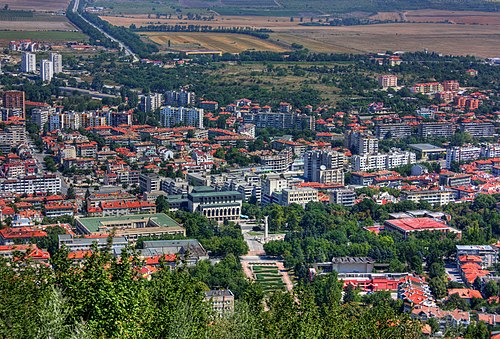
Shumen is a prominent city located in northeastern Bulgaria, serving as the administrative center of Shumen Province. With a rich history that dates back to ancient times, Shumen has been inhabited since the Thracian period, and significant archaeological findings in the area testify to its importance. The city was known as a major cultural and political center during the First Bulgarian Empire, particularly in the early medieval period. Its strategic location near the main trade routes connecting Europe and Asia contributed to its development and prosperity. The elegance of Shumen's historical architecture is evident in several well-preserved landmarks and is a testament to its vibrant heritage.
Modern Shumen embraces this historical legacy while also positioning itself as an educational and cultural hub. The city is home to several institutions of higher education, including the University of Shumen, which attracts students from various regions. Shumen is known for its diverse cultural life, exemplified by the annual Shumen Music Festival and various art exhibitions. Among its notable attractions is the Monument to 1300 Years of Bulgaria, an impressive structure that celebrates the founding of the Bulgarian state, along with the Shumen Fortress, which offers visitors a glimpse into the city's storied past. The nearby Natural Park of Shumen and the Madara Horseman, a UNESCO World Heritage site, provide opportunities for eco-tourism and outdoor activities, further enhancing the city's appeal to residents and tourists alike.
The city's population, estimated to be around 80,000, is characterized by a blend of ethnicities, contributing to its multicultural atmosphere. Shumen's economy is diverse, with sectors such as manufacturing, agriculture, and services playing significant roles. The city has undergone various changes since the fall of communism in Bulgaria, transitioning towards a more market-oriented economy while preserving its unique cultural identity. Today, Shumen remains a vital center for trade and commerce, with ongoing initiatives aimed at promoting tourism and enhancing the quality of life for its residents. This harmonious mix of history, culture, and modern development makes Shumen a significant city in Bulgaria, attracting those interested in exploring its rich past and vibrant present.
Facts about Shumen
- Shumen is home to the Shumen Fortress, one of the largest and most historically significant fortresses in Bulgaria, with origins that date back to the Thracian period.
- The city is known for the Monument to 1300 Years of Bulgaria, which commemorates the founding of the First Bulgarian Empire and is a landmark visible from various points in the region.
- Shumen has a rich musical heritage and hosts the Shumen Music Festival, celebrating local and international talent in a variety of genres.
- The city is located near the only Bulgarian natural reserve dedicated to the Shumen Plateau, which is home to diverse flora and fauna and offers stunning panoramic views.
- Shumen is often referred to as the 'City of the Seven Hills', evoking a similarity to the ancient city of Rome and providing a distinctive geographical feature.
- The Shumen region is significant in Bulgarian history due to its association with the early medieval Slavic tribes and the First Bulgarian Empire.
- Shumen contains the Alexander Nevsky Cathedral, a prominent Orthodox church that showcases impressive neo-Byzantine architecture.
- Local legends and folklore surrounding the city include tales of the Khan Asparuh, the founder of Bulgaria, who is said to have settled in this area.
- Shumen has a vibrant community culture, with events such as the Festival of Culture and Folklore that feature traditional music, dance, and crafts.
- The city is also known for its rich educational history, being home to the first Bulgarian higher education institution, the University of Shumen, founded in 1995.