Shymkent, Kazakhstan
- 1,200,000 people
- 7 places to visit
- 42.3205, 69.5876
Places to Visit (7)
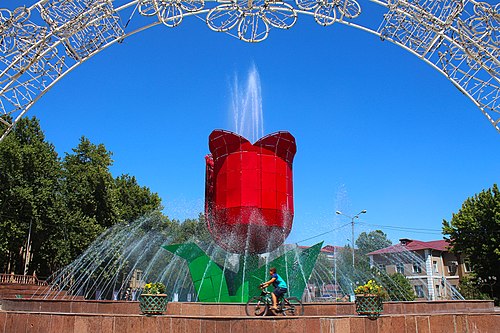
Shymkent, the third-largest city in Kazakhstan, is located in the southern part of the country and serves as the administrative center of the Turkistan Region. With a population exceeding 1 million residents, it is a vibrant hub known for its rich history, cultural diversity, and economic significance. The city has origins dating back to the 12th century when it began as a caravan stop along the Silk Road, facilitating trade between East and West. This historical backdrop contributes to Shymkent’s rich cultural tapestry, as various ethnic groups, including Kazakhs, Uzbeks, Russians, and others, have settled in the area over the centuries.
In recent years, Shymkent has experienced significant urban development and modernization. The city boasts a mix of historical sites, such as the ancient mausoleum of Khoja Ahmed Yasawi, and modern infrastructure, including shopping centers, educational institutions, and healthcare facilities. Shymkent is also known for its vibrant economy, which is driven by industries such as manufacturing, agriculture, and services. The city continues to attract investment and development projects, further enhancing its role as a key economic player in Kazakhstan. Moreover, its strategic location near the borders of Uzbekistan and Kyrgyzstan fosters cross-border trade and connectivity, making Shymkent an important regional center in Central Asia. With ongoing efforts to improve living standards and urban infrastructure, Shymkent is poised for continued growth and development in the coming years.
Facts about Shymkent
- Shymkent is one of the oldest cities in Kazakhstan, with a history dating back over 2,200 years, making it a crucial part of the Silk Road.
- The city serves as a cultural and industrial hub, often referred to as the 'South Capital' of Kazakhstan, distinct from the country's northern capital, Nur-Sultan.
- Shymkent is known for its diverse ethnic composition, with significant populations of Kazakhs, Uzbeks, Russians, and other ethnicities, contributing to its unique cultural landscape.
- The city is home to the 'Shymkent Gate,' an impressive architectural structure symbolizing the unity of the nations living in the region.
- Shymkent hosts the annual 'Shymkent Beer Festival,' showcasing local and international breweries, promoting the city as a center for beer culture in Kazakhstan.
- The 'Dendropark' in Shymkent is a large botanical garden that features a variety of plant species and serves as a popular recreational area for residents and visitors.
- Shymkent is the third-largest city in Kazakhstan, but unlike Almaty and Nur-Sultan, it is known for its warmer climate and abundant sunshine throughout the year.
- The city has a significant history of textile production, particularly during the Soviet era, which laid the foundation for its modern textile and garment industry.
- Shymkent is recognized for its unique local cuisine, particularly its specialty dishes such as 'osh' (a rice dish) and 'kebab,' drawing influence from neighboring Uzbekistan.
- It is crucial for the transportation network in Kazakhstan, serving as a key logistical center with major railway and highway connections linking Central Asia with the rest of the country.