Sibu, Malaysia
- 198,239 people
- 14 places to visit
- 2.2883, 111.8313
Places to Visit (14)
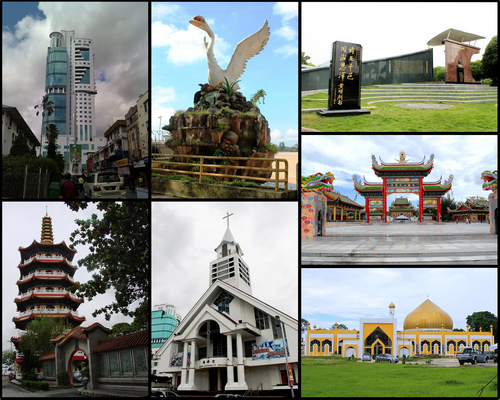
Sibu is a town located in the central region of Sarawak, Malaysia, known for its rich cultural heritage and economic importance. With a population of about 200,000 residents, it serves as a significant commercial hub for the surrounding rural areas, especially for the indigenous Iban and Chinese communities. Sibu has a diverse array of ethnic groups, which contributes to its unique cultural landscape, with the largest being the Chinese, primarily Hokkien and Foochow, who arrived during the 19th century. The town is strategically positioned along the Rejang River, the longest river in Malaysia, which facilitates transportation and trade, significantly influencing its development.
Economically, Sibu is a vital center for the timber industry and is often referred to as the "gateway to the timber-rich zone of Sarawak." It supports various industries, including retail, agriculture, and services. Sibu is also known for its vibrant markets, particularly the Sibu Central Market, which is one of the largest open-air markets in Malaysia. Here, vendors sell fresh produce, traditional snacks, and handicrafts, reflecting the town's rich culinary traditions. Sibu's food scene is diverse, renowned for its variety of local dishes, such as the famous Sibu beef noodles and kampua, a local egg noodle dish. Furthermore, Sibu is home to several cultural festivals, including the Borneo Cultural Festival, which showcases local arts, music, and cuisine, attracting both locals and tourists.
The town is also known for its historical significance, with landmarks such as the Sibu Heritage Centre, which recounts the town's history and the contributions of various ethnic groups to its development. Additionally, notable structures like the Lanang Bridge and Sibu's iconic twin towers symbolize modern development while reflecting traditional aesthetics. Sibu's educational infrastructure, with its colleges and branches of Malaysian universities, also contributes to the town's appeal for residents and expatriates alike. Overall, Sibu stands out as a vibrant town that harmoniously blends history, culture, and economic vitality, making it a significant part of Malaysia's landscape.
Facts about Sibu
- Sibu is located in the central region of Sarawak, Malaysia, and is known as the largest town in the Sibu Division.
- The town has a rich history as a trading post, established by the Foochow Chinese immigrants in the 19th century, who contributed to its development.
- Sibu is renowned for its unique architecture, including the iconic Sibu Town Hall, which is built in a traditional Chinese style mixed with colonial influences.
- The Rejang River, which is one of the longest rivers in Malaysia, flows through Sibu and plays a vital role in the town's transportation and trade.
- Sibu is famous for its Sibu Central Market, which is the largest indoor market in Malaysia, showcasing a variety of local products and delicacies.
- The town celebrates the annual Borneo Cultural Festival, which features various cultural performances and showcases the diverse ethnic groups of Sarawak.
- Sibu has a significant Chinese community, and it is well-known for its delicious Foochow-style cuisine, including the popular Sibu Sarawak laksa.
- The Tua Pek Kong Temple, one of the oldest temples in Sibu, is a notable landmark and a center for the local Chinese community's religious activities.
- Sibu is also recognized for its role as a center for the timber industry, contributing significantly to Sarawak's economy and exports.
- The Sarawak Regatta, held annually on the Rejang River, is a celebrated event in Sibu, featuring traditional boat races that attract participants from various local communities.