Sidon, Lebanon
- 163,554 people
- 6 places to visit
- 33.5571, 35.373
Places to Visit (6)
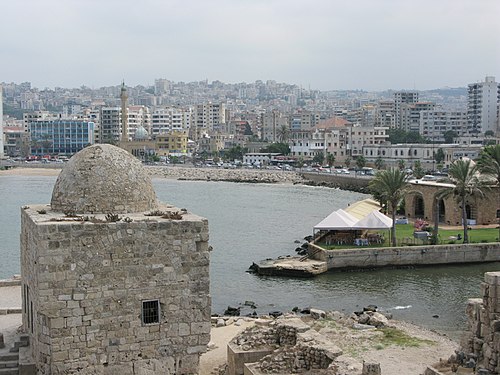
Sidon, located on the western coast of Lebanon, is one of the country’s oldest cities and has a rich history that dates back over 6,000 years. Known in ancient times as Sidonia, it was a prominent Phoenician city-state and a major center for trade and commerce in the Mediterranean. Sidon is situated approximately 40 kilometers south of the capital city, Beirut, and is bordered by the Mediterranean Sea to the west, providing the city with a stunning coastline that has played an essential role in its development throughout history. The city has been influenced by various civilizations, including the Egyptians, Assyrians, Persians, Greeks, and Romans, each leaving its mark on Sidon's culture and architecture.
Today, Sidon is a bustling city that blends its historical heritage with modern life. It is known for significant historical landmarks, such as the Sea Castle, built by the Crusaders in the 13th century, and the ancient city’s ruins, which include temples, a Roman amphitheater, and remnants of its Phoenician past. The city’s vibrant souks (markets) are famous for selling traditional crafts, textiles, and delicious local cuisine, contributing to its reputation as a cultural hub. Sidon also serves as a major economic center in southern Lebanon, with activities ranging from fishing and agriculture to commercial trade and tourism. The local economy has faced challenges due to regional instability and economic fluctuations, but Sidon remains a crucial part of Lebanon’s heritage and identity, attracting visitors interested in exploring its rich history and cultural significance.
Facts about Sidon
- Sidon, known as 'Saida' in Arabic, is one of the oldest inhabited cities in the world, with historical roots dating back over 6,000 years.
- The city was a significant Phoenician port and trade center, famous for its production of purple dye, a luxury item sought after by ancient civilizations.
- Sidon is home to the famous Sea Castle, a medieval fortress built by the Crusaders in the 13th century, which sits on a rocky island and is accessible by a causeway.
- The city features the Underground Crusader City, an archaeological site showcasing the remains of ancient structures and providing insight into the city’s medieval past.
- Sidon hosts the Temple of Echmoun, a significant Phoenician temple dedicated to the healing god Echmoun, which dates back to the 7th century BC.
- The local soap industry, particularly the production of Sidon soap, has been a traditional craft for centuries, known for its high quality and use of olive oil.
- Sidon developed a unique fishing culture, and today, it is known for its bustling fishing harbor and delicious seafood cuisine, particularly its grilled fish.
- The city played a key role in the Crusades, and its history is closely tied to various empires, including the Roman, Ottoman, and French come into play.
- Sidon was the birthplace of the celebrated philosopher and historian Philo of Byblos, who contributed significantly to the understanding of ancient Phoenician culture.
- Annual celebrations, such as the Sidon International Festival, showcase the city's vibrant cultural heritage through music, art, and food, drawing visitors from around the region.