Siedlce, Poland
- 77,185 people
- 14 places to visit
- 52.1676, 22.2902
Places to Visit (14)
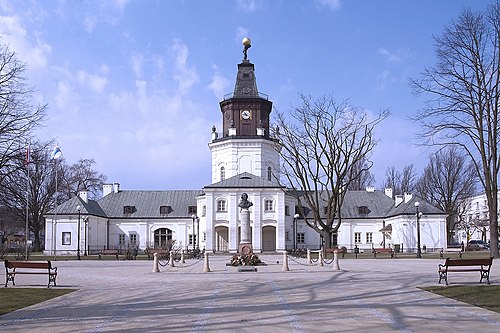
Siedlce is a city located in eastern Poland, approximately 100 kilometers east of Warsaw. It serves as the capital of the Siedlce County and is a significant urban center in the Masovian Voivodeship. The city lies along the banks of the Siedlczanka River and has a population of around 77,000 residents, making it one of the larger cities in this part of the country. Siedlce has a rich history that dates back to the Middle Ages, with the first written records mentioning the area in the 15th century. Over the years, it has developed from a small settlement into a key administrative and cultural hub in the region.
Historically, Siedlce served as an important trade and transport center, benefiting from its strategic location at the crossroads of several major routes connecting various parts of Poland. The city has experienced various phases of growth and decline, influenced by historical events such as partitions, wars, and economic changes. Today, Siedlce is characterized by its diverse architecture, featuring historic buildings alongside modern infrastructure. Significant landmarks include the Cathedral of the Immaculate Conception of the Blessed Virgin Mary, which showcases beautiful neo-Gothic elements, as well as the Municipal Park, a popular recreational area for residents and visitors.
Economically, Siedlce has transitioned from traditional industries to a more diversified economic base, with sectors such as manufacturing, retail, and services playing vital roles. The city is home to several educational institutions, including a branch of the University of Natural Sciences and Humanities, which contributes to the local workforce and research initiatives. Siedlce also hosts various cultural events, fostering a vibrant community spirit and attracting visitors to its festivals and local traditions. Overall, Siedlce represents a blend of historical significance and modern development, making it an interesting destination in Poland's eastern region.
Facts about Siedlce
- Siedlce is known for its unique history as a former royal town, having received its town charter in 1448 from King Casimir IV Jagiellon.
- The city was the site of the historic Battle of Siedlce in 1831, which was part of the November Uprising against Russian rule.
- Siedlce is home to the beautiful Cathedral of St. Nicholas, which showcases a mix of Gothic and Baroque architectural styles.
- Siedlce has a notable tradition of horse breeding and is famous for its Arabian horses, featuring a horse racing track that hosts numerous events.
- The city hosts the annual Siedlce Cultural Summer, which attracts artists, performers, and visitors, showcasing local traditions and culture.
- Siedlce is well-connected by rail and road, making it a key transportation hub in the Masovian Voivodeship, linking various regions of Poland.
- The city has a distinctive culinary tradition, particularly known for its regional dishes like 'siedleckie pierogi' which are made with local ingredients.
- Siedlce is home to the Siedlce University of Natural Sciences and Humanities, one of the key educational institutions in the region.
- The city is surrounded by beautiful natural landscapes, including the nearby Bug River, which offers recreational opportunities and scenic views.
- Siedlce boasts a rich Jewish heritage, with historical sites and memorials that commemorate the once-thriving Jewish community before World War II.