Siegburg, Germany
- 39,135 people
- 10 places to visit
- 50.7999, 7.212
Places to Visit (10)
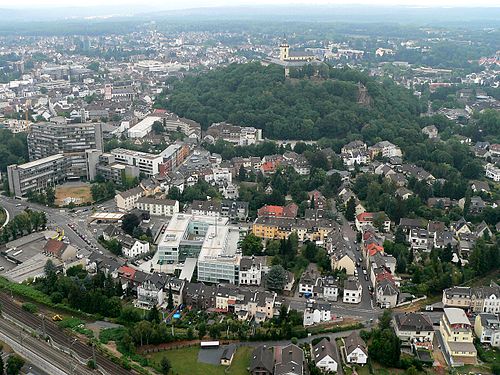
Siegburg is a picturesque town located in the North Rhine-Westphalia region of Germany, situated along the banks of the Sieg River, approximately 30 kilometers southeast of Cologne. With a rich history dating back to the Roman Empire, Siegburg was founded around the 12th century and has evolved into a vibrant community characterized by its historical architecture and modern amenities. The city is notable for its striking landmarks, including the iconic St. Servatius Church, which dates back to the 12th century and showcases impressive Romanesque elements. This church not only serves as a place of worship but also represents the cultural heritage of the region. Additionally, the ruins of the nearby Siegburg Castle provide a glimpse into the town's medieval past and offer breathtaking views of the surrounding landscape.
Siegburg boasts a population of approximately 40,000 residents and serves as a hub for commerce and transportation in the area. The city's strategic location near major thoroughfares and railway lines facilitates easy access to nearby metropolitan areas, making it an attractive place for both residents and businesses. The local economy is diverse, with strengths in manufacturing, services, and retail. Cultural events, such as the annual Siegburger Weihnachtsmarkt (Christmas Market), draw visitors from the surrounding regions, highlighting local crafts, culinary delicacies, and seasonal festivities. Moreover, the city's commitment to maintaining green spaces and promoting outdoor activities enriches the quality of life for its residents. Furthermore, Siegburg is framed by the scenic beauty of the surrounding hills and forests, offering numerous opportunities for hiking and recreational activities, enhancing its appeal as a destination for nature enthusiasts.
In addition to its historical charm and economic opportunities, Siegburg is home to several educational institutions, including schools and vocational training centers, which contribute to the town's commitment to education and skill development. The community is characterized by a mix of modern living and historical significance, making it a unique place to visit and live. The town’s engagement with contemporary urban initiatives underscores its adaptability while preserving its rich heritage. As a result, Siegburg presents a harmonious blend of tradition and modernity, making it a noteworthy example of a small German town with a bright future.
Facts about Siegburg
- Siegburg is known for its historic Benedictine Abbey, which dates back to the 11th century and is one of the oldest abbeys in Germany.
- The city's unique clock tower, 'Siegelsäule', is a prominent landmark and a symbol of Siegburg's rich history.
- Siegburg was significant during the Middle Ages as a trade town due to its strategic location between the cities of Bonn and Cologne.
- The city has a notable archaeological site at the Roman settlement of 'Alteburg', showcasing artifacts from the Roman Empire.
- Siegburg hosts the annual 'Siegburg Christmas Market', which is famous for its traditional crafts and festive atmosphere.
- The Siegburg municipal museum contains a unique collection of ‘Siegburger Steingut’, a type of stoneware pottery that has been produced in the region since the Middle Ages.
- The city's population includes a diverse community, contributing to a vibrant cultural scene and various festivals throughout the year.
- Siegburg is home to the 'Siegburger Tafel' organization that helps fight food waste and supports families in need, reflecting the community's commitment to social responsibility.
- The 'Sieg-Haus', a historic building in the heart of the city, serves as a testament to Siegburg's architectural heritage and is used for cultural events.
- The city is also known for its beautiful parks and cycling paths along the River Sieg, promoting a healthy lifestyle and outdoor activities.