Sighetu Marmaţiei, Romania
- 40,653 people
- 14 places to visit
- 47.9277, 23.8977
Places to Visit (14)
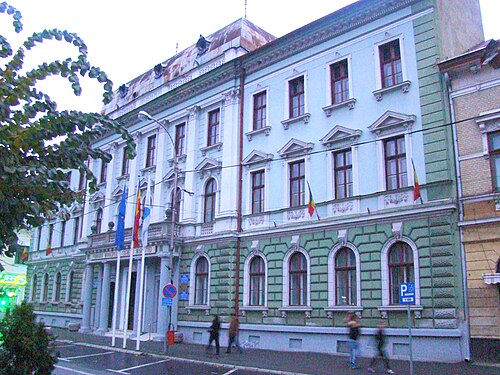
Sighetu Marmaţiei is a notable city located in the Maramureș County of Romania, situated in the northern part of the country near the border with Ukraine. It lies along the waters of the Iza River, around 10 kilometers from the Ukrainian frontier. Historically significant, Sighetu Marmaţiei has been an important cultural and economic center in the region, known for its rich heritage that reflects a blend of Romanian, Hungarian, and Ukrainian influences. The city was officially recognized as a town in 1391, and throughout its history, it has been a crossroads for various ethnic groups and cultures. This diversity is evident in the local architecture, traditions, and the multicultural community that resides there.
One of the city’s most prominent historical landmarks is the Memorial of the Victims of Communism and of the Resistance, situated in the former Sighet Prison. This site serves as a reminder of the political repression that occurred during the communist regime in Romania and is dedicated to the memory of those who suffered under its oppressive rule. Sighetu Marmaţiei is also famous for its wooden churches, which are recognized as UNESCO World Heritage Sites, showcasing incredible craftsmanship and traditional Maramureș architecture. The city celebrates its traditions through various festivals and events that highlight local customs, including food fairs and folk music festivals, drawing both tourists and locals alike. The surrounding area offers stunning natural landscapes and outdoor activities, making Sighetu Marmaţiei not just a historical destination but also a hub for ecotourism in Romania.
Facts about Sighetu Marmaţiei
- Sighetu Marmaţiei is known for its unique multi-ethnic heritage, including Romanian, Hungarian, Ukrainian, and Jewish communities, which contributes to a rich cultural tapestry.
- The city is the site of the Memorial to the Victims of Communism and to the Resistance, a museum dedicated to the memory of those who suffered under the communist regime in Romania.
- Sighetu Marmaţiei was the birthplace of the famous Romanian philosopher and writer Emil Cioran, who went on to gain international acclaim for his works.
- It is located near the Maramureș Mountains, offering access to some of Romania's most picturesque natural landscapes and traditional rural life.
- The city has a historic wooden church, the Church of St. Parascheva, built in 1728, which is recognized as a UNESCO World Heritage Site.
- Sighetu Marmaţiei was once the capital of Maramureș County, reflecting its importance in regional governance throughout history.
- The town is known for its vibrant local markets, where visitors can find traditional crafts, homemade foods, and local produce unique to the Maramureș region.
- Sighetu Marmației is famously tied to a poignant historical event known as the 'Sighet Trials' in 1946, where former political leaders were tried for their roles in the previous regime.
- The city's location on the border with Ukraine allows for a diverse range of cultural exchanges and influences, distinguishing it from other Romanian towns.
- Sighetu Marmaţiei hosts an annual cultural festival called 'Days of Sighet,' celebrating local traditions, crafts, and music, drawing visitors from across the country.