Sighișoara, Romania
- 34,537 people
- 13 places to visit
- 46.2197, 24.7964
Places to Visit (13)
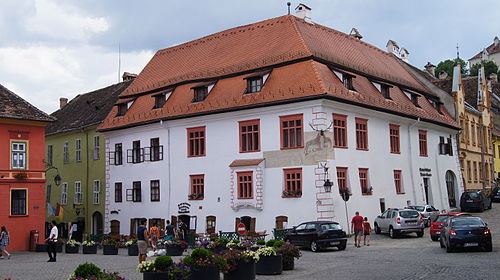
Sighișoara is a picturesque city located in the heart of Romania, known for its well-preserved medieval architecture and vibrant history. Situated in Mureș County in Transylvania, Sighișoara is often celebrated as one of the last inhabited fortresses in Europe. Its origins date back to the 12th century when Saxon craftsmen and merchants established a settlement here. The city flourished during the Middle Ages, becoming an important cultural and economic center. Today, it is a UNESCO World Heritage Site, renowned for its cobblestone streets, colorful buildings, and defensive towers that reflect its rich Saxon heritage.
One of the most notable features of Sighișoara is its iconic clock tower, which stands as a symbol of the city. Built in the 14th century, the clock tower served as both a city gate and a watchtower, offering stunning views of the surrounding landscape. The town is also famous for being the birthplace of Vlad the Impaler, the historical figure who inspired Bram Stoker's Dracula. His birthplace, a small house on a hill, has become a museum, attracting tourists interested in both the local history and the Dracula legend. In addition to its historical significance, Sighișoara hosts annual cultural events, including the Medieval Festival held every summer, which brings the past to life through reenactments, traditional music, and crafts.
Combining a rich cultural tapestry with stunning visuals, Sighișoara remains a popular destination for travelers seeking to explore Romania’s medieval past. Its vibrant streets, lined with artisan shops, cafes, and galleries, provide a lively atmosphere, while its historical sites offer a glimpse into its storied history. The city’s charm lies in its ability to transport visitors back in time, making it a unique gem within Romania's diverse landscape. As more people discover Sighișoara, its status as a significant cultural and historical hub continues to grow, ensuring that its legacy endures for generations to come.
Facts about Sighișoara
- Sighișoara is one of the best-preserved medieval towns in Europe and is recognized as a UNESCO World Heritage Site.
- The city is the birthplace of Vlad the Impaler, who inspired the legend of Dracula.
- Sighișoara features a unique clock tower, which dates back to the 14th century and serves as a landmark for the town.
- The city hosts the annual Medieval Festival, where locals and visitors can experience medieval culture through reenactments, music, and crafts.
- Sighișoara's historical center is noted for its colorful buildings and cobbled streets that reflect a blend of Gothic, Renaissance, and Baroque architecture.
- The Sociable Manner, a unique local tradition, takes place in Sighișoara, where residents engage in social gatherings in public spaces during summer months.
- Sighișoara's Covered Stairway, an impressive wooden structure, consists of 175 stairs and connects the lower town to the hilltop school and church.
- Every year, Sighișoara attracts thousands of visitors for its Summer Music Festival, highlighting both local and international artists.
- The city's rich artisan history is showcased in its Historic Market Square, where various craftsmen still operate to this day.
- Sighișoara has a vibrant local culture that blends Saxon and Romanian influences, reflected in its local cuisine, festivals, and community practices.