Siliguri, India
- 515,574 people
- 15 places to visit
- 26.7271, 88.3953
Places to Visit (15)
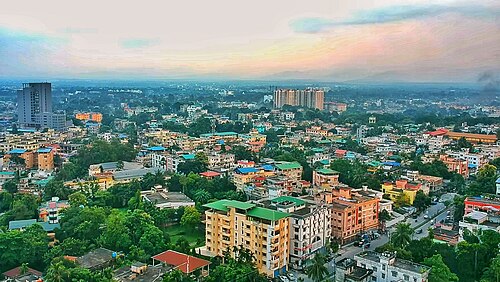
Siliguri is a bustling city located in the Darjeeling district of West Bengal, India. Nestled at the foothills of the Himalayas, it serves as a crucial transit hub for travelers heading towards the hill stations of North Bengal, such as Darjeeling, Kalimpong, and Gangtok. The city is strategically positioned at the confluence of four major roads and the waterway of the Mahananda River, making it an important junction for trade and transportation. With a population exceeding 500,000, Siliguri has developed rapidly over the past few decades, transforming from a small town into a significant urban center that blends modernity with rich cultural traditions.
Siliguri is known for its diverse demographic composition, which contributes to its vibrant culture. The city is home to various ethnic groups, including Bengali, Nepali, and indigenous tribes, all of whom add to Siliguri's unique charm. The local economy is primarily driven by trade, tourism, and agriculture, with tea being a prominent cash crop in the surrounding areas. Siliguri boasts numerous markets, shopping complexes, and eateries that cater to both locals and visitors. The city's gateway role has fostered a flourishing tourism sector, attracting thousands of travelers each year looking to explore the scenic beauty of the nearby hill stations, national parks, and wildlife sanctuaries. Attractions such as Kali Mandir, Mahananda Wildlife Sanctuary, and the nearby Darjeeling Himalayan Railway add to the city’s allure, making it a vital stopover for those venturing into the Himalayan region.
In addition to its economic and cultural significance, Siliguri is also a center for education and healthcare in North Bengal. It hosts several notable educational institutions, including North Bengal University, as well as a range of hospitals and medical facilities that serve the surrounding regions. The city is well-connected by rail, road, and air, with the Bagdogra Airport located just a short distance away, facilitating convenient access for travelers. The blend of natural beauty, economic vibrancy, and cultural richness makes Siliguri a unique and essential part of India's northeastern landscape, ensuring its continued growth and significance in the region.
Facts about Siliguri
- Siliguri serves as a major gateway to the northeastern states of India as well as to neighboring countries like Nepal, Bhutan, and Bangladesh, making it a strategic location for trade and tourism.
- The city is known for its diverse culture, largely influenced by various ethnic groups, including Gorkhas, Biharis, and Bengalis, which contributes to its unique culinary and social landscape.
- Siliguri is home to the Mahananda Wildlife Sanctuary, which provides habitat for several endangered species and is a crucial ecological zone within the Himalayan foothills.
- The city has been an important center for tea cultivation, situated in the Dooars region, known for its lush tea gardens producing some of the finest teas in India.
- Siliguri is renowned for hosting the annual 'Siliguri International Film Festival', promoting regional filmmakers and providing a platform for independent cinema.
- The city has a rich historical background, with landmarks such as the Kali Mandir and Salugara Monastery, reflecting the city's spiritual diversity and heritage.
- Siliguri Junction railway station is a key railway hub that connects the city to major metropolitan areas, playing an important role in enhancing connectivity in the region.
- Siliguri is famous for its vibrant markets, particularly the Hong Kong Market, where a wide variety of products, from electronics to textiles, are available at competitive prices.
- The city's unique geographical position makes it a popular spot for tourists looking to explore popular hill stations like Darjeeling and Kalimpong, located nearby.
- Siliguri has a rich history of socio-political movements, especially during the Gorkhaland agitation, reflecting its ongoing significance in regional politics and identity.