Silkeborg, Denmark
- 49,747 people
- 12 places to visit
- 56.1764, 9.5549
Places to Visit (12)
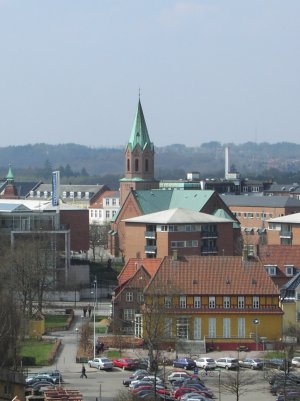
Silkeborg is a picturesque city located in the central part of Jutland, Denmark, known for its stunning natural landscapes and vibrant cultural scene. Situated along the Gudenå River, Silkeborg is often referred to as the "City of Lakes" due to its proximity to a number of serene lakes, including Silkeborg Langsø and Birkhede Sø. The city is surrounded by lush forests and rolling hills, making it a popular destination for outdoor activities such as hiking, cycling, and sailing. Silkeborg's charming town center features a blend of historical architecture and modern amenities, with numerous shops, cafés, and restaurants that attract both locals and visitors alike.
Silkeborg's history dates back to the 19th century when it transformed from a small agricultural community to a bustling industrial town. The establishment of the local paper mill in 1844 marked a significant economic development for the area. Over the years, the city has evolved into a cultural hub, hosting various events and festivals throughout the year. One of the city’s highlights is the Silkeborg Museum, which features significant local history exhibits and the famous 2,500-year-old mummies from the Iron Age, known as the Tollund Man and the Grauballe Man. Additionally, the city is renowned for its art scene, exemplified by the Jorn Museum, dedicated to the works of the influential Danish painter Asger Jorn.
Modern Silkeborg is known for its commitment to sustainability and environmental consciousness, fostering a quality of life that embraces both natural beauty and urban convenience. The city provides a rich array of recreational opportunities, including the popular Aqua Forum water park and numerous sports facilities. With an excellent educational system, including vocational schools and a university center, Silkeborg is not only a desirable place for families but also for young adults seeking academic growth. The charm of Silkeborg lies in its unique combination of nature, culture, and history, making it an attractive destination for both tourists and those looking to settle down in a vibrant community.
Facts about Silkeborg
- Silkeborg is known as the 'Lake City' due to its proximity to several lakes, including the large and picturesque Silkeborg Langsø.
- The region is famous for its natural landscapes, particularly the surrounding moors and forests, making it a popular destination for outdoor activities like hiking and kayaking.
- Silkeborg is home to the oldest surviving paper mill in Denmark, established in 1844, which highlights the city's historical significance in the paper industry.
- The town features the world's oldest and largest collection of mummies outside Egypt at the Silkeborg Museum, which attracts historians and tourists alike.
- Silkeborg hosts the annual Silkeborg River Festival, celebrating the city's waterways with activities such as canoeing, music, and local food.
- The city is known for its vibrant arts scene, particularly in sculpture, being the birthplace of renowned Danish sculptor Asger Jorn, who co-founded the CoBrA movement.
- Silkeborg boasts a unique 'Himmelbjerget' (Heaven's Hill), one of the highest points in Denmark, providing panoramic views of the surrounding lakes and forests.
- The city's cultural life is enriched by the Silkeborg Art Museum, which specializes in modern Danish art and organizes temporary exhibitions.
- Silkeborg is recognized for its distinctive wooden boat tradition, specifically the 'Silkeborg wooden canoe,' which is famous for its craftsmanship and design.
- The local economy is strengthened by the tourism sector, driven by its charming blend of nature, history, and activities, including the popular 'Danish Land of Lakes' tours.