Siracusa, Italy
- 121,605 people
- 17 places to visit
- 37.0754, 15.2867
Places to Visit (17)
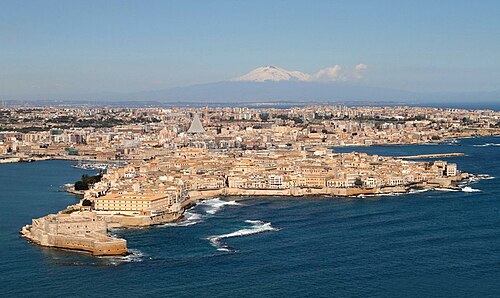
Siracusa, located on the southeastern coast of Sicily, Italy, is a city rich in history and culture, renowned for its ancient Greek and Roman heritage. Founded by the Corinthians in 734 BC, it quickly became one of the most powerful cities in the Mediterranean, rivaling Athens during its peak. Siracusa was the birthplace of the famous mathematician and inventor Archimedes and has since been a significant site for scholars and historians. The city's historical significance is exemplified by its well-preserved ruins, including the Greek Theatre, which dates back to the 5th century BC and could accommodate around 15,000 spectators. Additionally, the Ear of Dionysius, a limestone cave known for its remarkable acoustics, draws visitors exploring the nearby ancient quarry of Capo Murro di Porco.
The modern city of Siracusa is characterized by its blend of influences from various cultures, including Greek, Roman, Arab, and Norman. The architectural heritage can be seen in the diverse styles throughout its buildings, particularly in the island of Ortigia, the historical heart of Siracusa. Ortigia features stunning Baroque architecture, such as the stunning Cathedral of Siracusa, which was originally a Greek temple and showcases a fusion of styles. The Piazza del Duomo is a focal point, where locals and tourists alike gather to appreciate the lively atmosphere, cafes, and vibrant markets. As a UNESCO World Heritage Site, Siracusa attracts visitors with its captivating blend of ancient ruins, modern life, and beautiful coastal scenery. The city's rich culinary traditions, influenced by its multicultural past, further enhance its appeal, offering a delicious array of Sicilian specialties. The combination of its history, architecture, and gastronomy makes Siracusa a compelling destination for those wishing to explore the deep roots of Sicilian culture.
Facts about Siracusa
- Siracusa was founded by Greek settlers from Corinth in 734 BC, making it one of the oldest cities in Sicily.
- The city's archaeological park, including the Greek Theatre, is renowned for being one of the largest ancient theatres in Sicily and is still used for performances today.
- Siracusa was once the most powerful city in the ancient Mediterranean and played a crucial role in the wars between Greeks and Carthaginians.
- The historical center of Siracusa, Ortigia, features a blend of ancient Greek, Roman, and Baroque architecture, showcasing the city's rich cultural heritage.
- Caught in the power struggles of antiquity, Siracusa was the birthplace of the famous mathematician and inventor Archimedes, known for his contributions to science and mathematics.
- Siracusa was declared a UNESCO World Heritage Site in 2005 due to its rich history and amazing architectural heritage.
- The city is home to the Ear of Dionysius, a limestone cave with remarkable acoustics, believed to have been named by Caravaggio for its unique shape.
- Siracusa hosts the annual 'Infiorata' flower festival, where artists create stunning floral carpets, attracting visitors from around the globe.
- The city has a vibrant fishing tradition, and its famous 'Festa di San Martino' celebrates local food including traditional seafood and wine.
- Siracusa's coastline features spectacular cliffs and beautiful beaches, offering a scenic contrast to its historical landmarks.