Sisak, Croatia
- 27,859 people
- 9 places to visit
- 45.4851, 16.3731
Places to Visit (9)
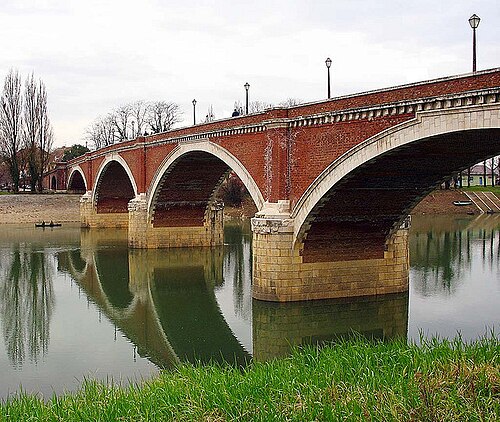
Sisak is a city located at the confluence of the Sava, Kupa, and Odra rivers in central Croatia. It serves as the administrative center of Sisak-Moslavina County and is one of the oldest continuously inhabited settlements in the region. The city's history dates back to Roman times when it was known as Siscia. Siscia flourished as a significant trading hub due to its strategic location along the major trade routes connecting various parts of the Roman Empire. The remnants of its Roman heritage can still be observed today, with notable archaeological sites including the well-preserved remnants of a Roman temple and city walls.
Throughout its history, Sisak has been shaped by various cultural and political influences, including the Ottoman Empire and the Austro-Hungarian monarchy. The city played a crucial role in the defense against the Ottomans, particularly during the Battle of Sisak in 1593, which marked a significant turning point in the Habsburg-Ottoman Wars. This event is commemorated with monuments and is a source of pride for the local population. In modern times, Sisak faces challenges typical of post-industrial cities, including economic transition and demographic changes, but it has also made strides in revitalization efforts.
Today, Sisak is known for its rich cultural heritage, diverse communities, and natural beauty. The city boasts several museums, including the Sisak City Museum, which showcases local history, art, and traditions. Sisak is also recognized for its beautiful parks and recreational areas along the rivers, which are popular among residents and visitors alike. The town hosts various cultural events and festivals throughout the year, celebrating its traditions and fostering community spirit. As Croatia continues to develop its tourism sector, Sisak is gradually emerging as an attractive destination for those interested in history, nature, and authentic Croatian culture.
Facts about Sisak
- Sisak is located at the confluence of the Kupa, Sava, and Odra rivers, making it a significant historical trading and military site.
- The Sisak Fortress, built in the 16th century, is one of the best-preserved fortresses in Croatia and played a crucial role in the defense against Ottoman invasions.
- Sisak was the site of the pivotal Battle of Sisak in 1593, which marked a turning point in the fight against Ottoman expansion in Europe.
- The city is home to the Sisak Synagogue, which is one of the oldest synagogues in Croatia, reflecting the city's diverse cultural history.
- Sisak has a rich industrial heritage, particularly known for its shipbuilding industry, which significantly contributed to the city's economy in the 19th and 20th centuries.
- The city hosts the 'Sisak Vintage' festival, celebrating vintage cars and nostalgia, which attracts automotive enthusiasts from around the region.
- Sisak is known for its traditional krafne, a type of pastry that has become a local delicacy, particularly popular during festivals and celebrations.
- As a town with a long-standing tradition of wine production, Sisak hosts local vineyards that specialize in producing quality wines, unique to the Slavonia region.
- The city served as a significant railway hub during the Austro-Hungarian Empire, contributing to its development and commercial importance in the region.
- Sisak is home to several cultural institutions, including the Sisak City Museum, which showcases local history, archaeology, and art, distinguishing it from many smaller towns.