Sittwe, Myanmar
- 177,743 people
- 9 places to visit
- 20.1528, 92.8677
Places to Visit (9)
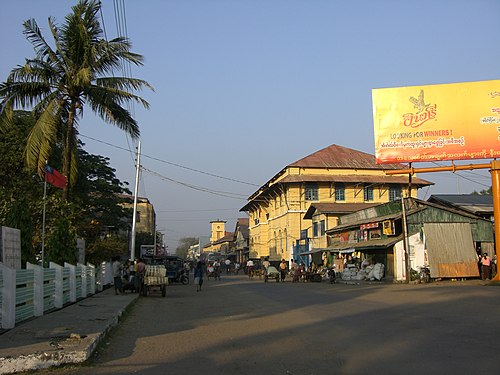
Sittwe, formerly known as Akyab, is the capital of Rakhine State in Myanmar. Situated on the northwestern coast of the country, it lies at the confluence of the Kaladan River and the Bay of Bengal. Sittwe serves as a significant port city and has a population of approximately 200,000 residents, primarily from the Rakhine ethnic group. The history of Sittwe is intertwined with its strategic maritime location, which has made it an important trading hub for centuries. It was a key site during the British colonial period and played a pivotal role in World War II, where it was the scene of intense military operations.
The city features a blend of cultural influences reflective of its diverse population, which includes Buddhists, Muslims, and other ethnic communities. Sittwe is known for its notable landmarks, including the Sittwe Pagoda and the National Rakhine Museum, which showcases Rakhine art, history, and culture. The local economy is heavily reliant on fishing, agriculture, and trade, with the Kaladan River facilitating transportation and commerce. Sittwe is also a gateway to the beautiful Rakhine coastline, which is renowned for its unspoiled beaches such as Ngapali Beach and the scenic landscapes of the surrounding region. However, the city has experienced significant challenges, including ethnic tensions and communal violence between the Rakhine Buddhists and the Rohingya Muslims, particularly in recent years. This ongoing conflict has led to humanitarian crises and disruptions to daily life, resulting in a complex socio-political landscape that continues to affect the lives of Sittwe's residents.
Despite these challenges, Sittwe's strategic importance and cultural heritage position it as a vital area for the future of Myanmar. The government and various organizations are working to address the economic and social issues facing the city, while efforts to promote peace and reconciliation among its communities are crucial. As a center of trade and culture in Rakhine State, Sittwe has the potential to play a significant role in Myanmar's development, provided that the region can overcome its historical divides and foster a more inclusive society.
Facts about Sittwe
- Sittwe is the capital of Rakhine State, located on the western coast of Myanmar and is known for its unique blend of cultures, influenced by both Myanmar and its ethnic Rakhine heritage.
- The city is home to the Sittwe Port, which is the largest port in Rakhine State and plays a vital role in trade with neighboring countries, including India and Bangladesh.
- Sittwe is famous for its beautiful beaches, particularly Ngapali Beach, which is considered one of the most scenic and pristine beaches in Myanmar.
- The town has a significant presence of maritime culture, evident in its fishing industry and traditional boat-building practices that are distinct to the region.
- Sittwe is known for the historic Shitthaung Pagoda, an ancient temple dating back to the 15th century, which is a significant religious and cultural site for the Rakhine people.
- The city hosts the Rakhine State Cultural Museum, which showcases the history, art, and culture of the Rakhine ethnic group, offering insights unique to this part of Myanmar.
- Sittwe was formerly known as Akyab during British colonial rule and played a key role as a naval base during World War II, reflecting its strategic importance in the region.
- The annual Sittwe Festival celebrates traditional Rakhine culture, featuring local cuisine, music, dance, and arts, making it a unique event in Myanmar's festival calendar.
- Sittwe is home to the unique Kaladan River, which is essential for transportation and trade in the region, and it showcases the natural beauty of the area.
- The city has been significantly impacted by political and ethnic conflicts, particularly concerning the Rohingya crisis, setting it apart in contemporary discussions about human rights and humanitarian issues in Myanmar.