Skawina, Poland
- 23,647 people
- 49.9752, 19.8289
No places available for this city.
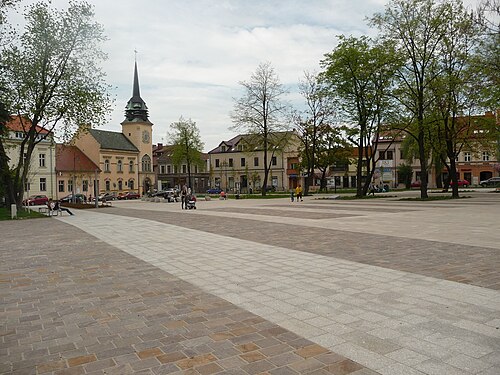
Skawina is a town located in southern Poland, within the Lesser Poland Voivodeship, approximately 15 kilometers southwest of Kraków. With a population of around 15,000 residents, Skawina is situated at the confluence of the Skawinka River and the Vistula River. It serves as both a suburban administrative center and a significant hub of local culture and economy. The town's history dates back to the early Middle Ages, with its first documented mention occurring in 1285. Over the centuries, Skawina has evolved from a small settlement into an important locality, supporting various industries, including textiles, food production, and agriculture.
Skawina is characterized by its picturesque landscapes, with surrounding areas featuring hills and forests that provide opportunities for outdoor activities and recreation. The town has a well-preserved historical center, where visitors can explore charming streets and local architecture dating back to different eras. Notable landmarks include the Church of St. Margaret, built in the 14th century, and several parks that enhance its aesthetic appeal. Skawina also prioritizes connectivity, boasting access to major roadways and public transport systems, which facilitate travel to nearby cities, especially Kraków. Additionally, the town hosts cultural events and festivals that reflect its rich heritage, promoting a strong sense of community among its residents.
As part of the Kraków metropolitan area, Skawina benefits from its proximity to the cultural, educational, and economic opportunities found in the regional capital. The town has experienced considerable growth and modernization, attracting new businesses while retaining a sense of its historical roots. The combination of a conservative approach to urban development and the embrace of modern infrastructure has made Skawina an attractive place for families and individuals seeking a balanced quality of life. The local government has also invested in improving amenities and services, including healthcare, education, and recreational spaces, ensuring a supportive environment for its growing population. Overall, Skawina is a vibrant town that blends historical charm with contemporary living, making it a distinctive part of Poland's Lesser Poland Voivodeship.
Facts about Skawina
- Skawina is known for its rich history, dating back to the Middle Ages, with the first mention of the town documented in 1292.
- The city is located on the banks of the Skawinka River, which contributes to its picturesque landscapes and recreational opportunities.
- Skawina is distinguished by its historic wooden churches, particularly the Church of St. John the Baptist, which is a significant example of wooden ecclesiastical architecture in Poland.
- The town is a center for traditional Polish craftsmanship, especially in weaving and pottery, which reflects the local cultural heritage.
- Skawina was the first town in the region to have a water supply system established in the late 19th century, highlighting its early modern infrastructure.
- The city hosts the annual Skawina Cultural Festival, which showcases local artists, musicians, and performers, promoting regional culture.
- Skawina's proximity to Kraków, just a short distance away, allows it to serve as a quieter alternative for those wishing to experience the charms of the Lesser Poland region.
- The city played a significant role during World War II as a center for resistance against German occupation, contributing to the historical narrative of Polish resilience.
- Skawina is also known for its natural parks, including the nearby Wolski Forest, which offers hiking trails and outdoor activities, distinguishing it from more urbanized areas.
- The local economy is anchored by both traditional agriculture and modern industries, providing a unique blend of historical and contemporary economic activities.