Slagelse, Denmark
- 31,896 people
- 11 places to visit
- 55.4037, 11.3553
Places to Visit (11)
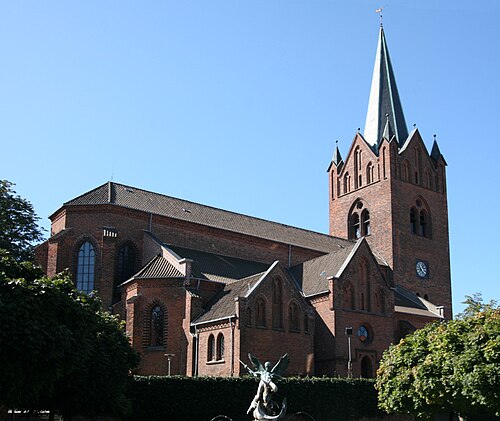
Slagelse is a city located in the western part of Zealand, Denmark. It serves as the administrative center of Slagelse Municipality and holds significant historical and cultural importance. With a population of approximately 33,000 residents, Slagelse is one of the larger cities in the region and plays a pivotal role in local governance and commerce. The city’s origins can be traced back to the Viking Age, around the 10th century, when it was established as a trading hub. Its development accelerated during the Middle Ages, particularly when it became a market town, which facilitated trade and attracted merchants.
Historically, Slagelse is notable for its medieval churches, particularly St. Michael's Church, which dates back to the 12th century. Another prominent landmark is the Slagelse Town Hall, constructed in the late 19th century, showcasing the city’s architectural evolution. The area is also known for the Vestindisk Plantage, a protected forest zone that offers a blend of natural beauty and recreational areas for residents and visitors alike. In addition to its historical sites, Slagelse boasts a vibrant cultural scene, with numerous local festivals, art exhibitions, and sports events promoting community engagement. The city is also home to several educational institutions, including the Slagelse Gymnasium, which serves secondary students and contributes to the educational landscape of the region.
In terms of transportation, Slagelse is well-connected, with major railway lines linking it to Copenhagen and other significant cities in Zealand. This accessibility has fostered economic growth and made Slagelse an attractive location for businesses and residents looking for a balance between urban amenities and a quieter lifestyle. The local economy is diversified, encompassing retail, manufacturing, and agriculture, reflecting the area’s rich cultural heritage and industrious spirit. Overall, Slagelse is characterized by its historical significance, cultural dynamism, and strategic position within Denmark, making it a noteworthy city in the context of the country's development.
Facts about Slagelse
- Slagelse is known for its rich history that dates back to the Viking Age, with archaeological findings indicating settlement as early as the 8th century.
- The city is home to the landmark Slagelse Church, which features a unique 12th-century Romanesque tower and beautiful medieval frescoes.
- Slagelse played a significant role in the Danish Reformation, and its church history reflects the changes in the religious landscape of Denmark during the 16th century.
- The annual Slagelse Jazz Festival, one of the largest of its kind in Denmark, attracts music lovers from across the country and showcases local and international talent.
- Slagelse is recognized as a centre for education, hosting several schools and institutions, including the renowned Slagelse Business College.
- The city is associated with the historic Danish military, having been an important garrison town with connections to the Danish army throughout history.
- Slagelse is situated on the western shores of the Great Belt, providing scenic views and connections to maritime activities, enhancing its economic significance.
- The iconic 'Slagelse Moat' is a 17th-century defense structure that reflects the city’s historical significance in Denmark’s military architecture.
- Each summer, Slagelse hosts the 'Slagelse byfest' (City Festival), featuring local food, music, and cultural events that celebrate the community's heritage.
- Slagelse is famous for its local culinary specialty, 'Slagelse Hvidesand', a type of Danish pastry that has become a beloved treat in the region.