Slatina, Romania
- 78,988 people
- 11 places to visit
- 44.4302, 24.3717
Places to Visit (11)
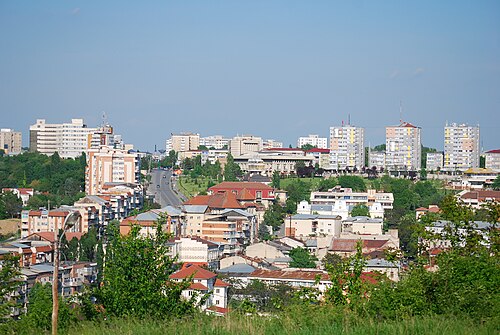
Slatina is a city located in the Olt County of Romania, situated in the southern part of the country near the Olt River. As of the 2021 census, the city has a population of approximately 50,000 residents. Slatina serves as the administrative and economic center of Olt County, playing a crucial role in the region's infrastructure and development. The city boasts a rich history, with archaeological findings indicating human settlements dating back to the Neolithic period. Throughout its history, Slatina has experienced various influences, particularly during the Roman and Ottoman periods, contributing to its diverse cultural heritage.
The economy of Slatina has transitioned over the years, moving from agrarian roots to a more industrialized base. Traditionally known for agriculture, the city has developed into a hub for manufacturing and technology, hosting several prominent industries such as automotive, textiles, and food processing. Notably, the presence of companies like Dacia and other automotive suppliers has bolstered employment opportunities and economic growth in the region. In addition to industry, Slatina has made significant investments in infrastructure, including road improvements and public transportation systems, enhancing connectivity with other major urban areas in Romania.
Culturally, Slatina is home to various landmarks and institutions that reflect its historical significance. The city features several museums, including the Olt County Museum, which exhibits artifacts and information about the region's past. Additionally, Slatina is known for its parks and green spaces, providing residents with recreational opportunities. The city's architecture ranges from historical buildings to modern structures, symbolizing its evolution through the years. With a blend of history, culture, and economic progress, Slatina continues to play an important role in the landscape of Romania, appealing to both residents and visitors alike.
Facts about Slatina
- Slatina is known for its rich history, with archaeological evidence suggesting human settlement in the area dating back to the Paleolithic era.
- The city is the capital of Olt County and serves as a significant economic and administrative center in the southern part of Romania.
- Slatina is famous for its vibrant cultural scene, hosting events such as the annual Slatina City Days, which celebrate local traditions and community spirit.
- One of Slatina's most notable landmarks is the Slatina Cultural Palace, an architectural gem that hosts various artistic and cultural events throughout the year.
- The city is known for its diverse industrial base, particularly in manufacturing, with a strong emphasis on automotive and textile production.
- Slatina is home to several educational institutions, including the 'Nicolae Titulescu' University, contributing to the region's academic landscape.
- The Olt River runs through Slatina, providing scenic views and recreational opportunities, which distinguishes it from many other urban areas in Romania.
- Slatina has a significant railway junction, making it an important transportation hub connecting various parts of the country.
- The city has been recognized for its green spaces and parks, offering residents and visitors a quality urban environment enhanced by nature.
- Slatina is known for its historical churches, such as the Church of St. Nicholas, which reflects the architectural styles and religious heritage of the region.