Slavonski Brod, Croatia
- 45,005 people
- 11 places to visit
- 45.1631, 18.0116
Places to Visit (11)
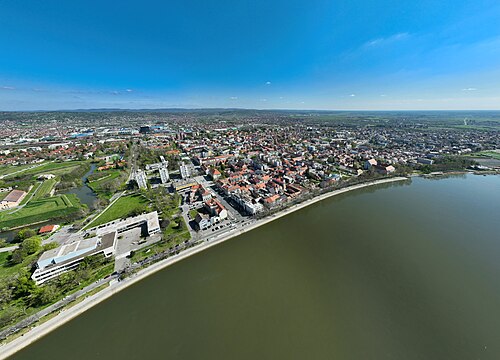
Slavonski Brod is a prominent city located in eastern Croatia, positioned on the left bank of the Sava River. It serves as the administrative center of Slavonia and is part of the Brod-Posavina County. With a population of around 60,000 residents, it is one of the larger cities in the region. The city has a rich historical background, dating back to Roman times when it was known as Marsonia. Throughout the centuries, it has been influenced by various cultures, reflecting a blend of architectural styles, particularly in its historical core. Today, Slavonski Brod is recognized for its well-preserved Fortress of Brod, built in the 18th century, which stands as a testament to the city's military significance in the past.
Economically, Slavonski Brod has traditionally been reliant on industrial activities, including shipbuilding, food processing, and textile manufacturing. The economy has evolved over the years, adapting to the changing economic landscape, yet it still retains a strong industrial base. The city is also a hub for agriculture, benefiting from the fertile plains of Slavonia, which produce a wide range of crops. Cultural life in Slavonski Brod is vibrant, with numerous events, festivals, and institutions that celebrate local customs and arts. The annual Brod Fiesta and the International Children's Festival attract visitors, showcasing the city's commitment to cultural diversity and community engagement. Educationally, the city is home to several primary and secondary schools, as well as branches of higher education institutions, contributing to a well-educated workforce.
Slavonski Brod is also strategically located, providing vital transportation links within Croatia and to neighboring countries, enhancing its role as a logistic center. The city has modern infrastructure, including road and rail connections, making it accessible for trade and travel. Additionally, the local government emphasizes the development of tourism, focusing on the natural beauty of the Sava River and the surrounding landscapes, which offer opportunities for outdoor recreation. As it continues to grow, Slavonski Brod seeks to balance its industrial roots with modern development, striving to improve the quality of life for its residents while preserving its rich cultural heritage.
Facts about Slavonski Brod
- Slavonski Brod is home to the Petrovaradin Fortress, a historical military fortification dating back to the 18th century, which played a crucial role during various conflicts in the region.
- The city is situated on the banks of the Sava River, strategically positioned on the border between Croatia and Bosnia and Herzegovina, making it a key transport and trade hub.
- Slavonski Brod has a rich cultural heritage, with a number of museums including the Brod Museum, which showcases artifacts from the area’s diverse history, including Roman and Ottoman influences.
- The annual Đakovo Horse Show, held nearby in Đakovo, celebrates the local horse breeding tradition, especially the famous Lipizzaner horses, which are considered a national treasure.
- Slavonski Brod is famous for its traditional Slavonian cuisine, particularly its grilled meats, kulen (a type of spicy sausage), and various local wines that reflect the region’s agricultural roots.
- The city features one of the largest and best-preserved Baroque city squares in Croatia, Trg Ante Starčevića, surrounded by historical buildings and structures that reflect its rich architectural heritage.
- Slavonski Brod has been a pivotal industrial center, historically known for its shipbuilding industry and now focusing on diverse manufacturing sectors.
- The city hosts the international Brod Node Festival, celebrating multimedia and modern art, attracting artists and audiences from all over the region.
- Slavonski Brod is known for its vibrant folklore culture, with numerous folklore ensembles and events that preserve the traditional music, dance, and costumes of Slavonia.
- The Slavonian Brod Fortress, located by the river, is a key landmark and represents a significant historical site that dates back to the 18th century, showcasing military architecture of the time.