Sleaford, United Kingdom
- 17,359 people
- 14 places to visit
- 53.0003, -0.4096
Places to Visit (14)
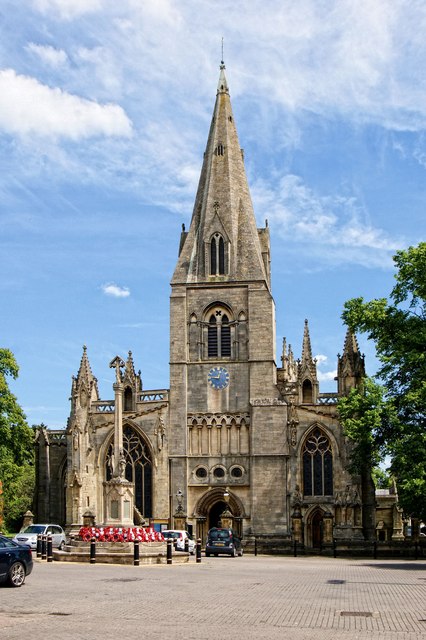
Sleaford is a historic market town located in Lincolnshire, England, situated approximately 20 miles south of the city of Lincoln. The town dates back to medieval times, with its origins traced to a settlement established around the River Slea. Sleaford became an important trading center, particularly during the 12th century, owing to its strategic location at the junction of several major roads. The town is known for its rich history, which is reflected in its architecture, including the imposing St. Deny's Church, a fine example of Gothic design that dates back to the late 12th century.
Over the years, Sleaford has evolved from a predominantly agricultural economy into a diverse marketplace with a mix of shops, businesses, and services. The town hosts a thriving weekly market, which has been a tradition for centuries, providing a venue for local farmers and traders to sell fresh produce and goods. Sleaford's economic landscape also includes industries such as food processing and manufacturing, and it has seen recent developments aimed at enhancing its status as a commercial hub. The presence of the Sleaford Renewable Energy Plant, which converts food waste into electricity, exemplifies the town's commitment to sustainable practices and modern industry.
Culturally, Sleaford offers various amenities, including parks, recreational facilities, and a vibrant community center. The town celebrates a range of events throughout the year, engaging residents and visitors alike. Sleaford is also well-connected to other parts of the UK, thanks to its transportation links including the A15 road and a railway station serving the Nottingham to Skegness line. This connectivity, combined with the town's historical charm and growing local economy, contributes to Sleaford's appeal as both a place to live and a destination for visitors.
Facts about Sleaford
- Sleaford is home to the unique 17th-century St. Denys' Church, renowned for its intricate wooden chancel screen and impressive tower.
- The Sleaford Navigation, a 10-mile-long canal built in the early 19th century, connects Sleaford to the River Witham and highlights the town's historical significance in trade and transport.
- Sleaford hosts the annual Sleaford Music Festival, which showcases a variety of musical genres and promotes local talent, distinguishing it as a cultural hub.
- The market town of Sleaford has a rich agricultural history and has been an important center for farming and food production in Lincolnshire for centuries.
- Sleaford boasts the unique presence of the National Centre for Craft and Design, which promotes British craft and design through exhibitions and workshops.
- The town features the historic Sleaford Castle ruins, remnants of a motte-and-bailey structure built in the 12th century, offering insights into medieval history.
- Sleaford is situated near the equestrian hub of Lincolnshire and is known for its proximity to several famous horse racing events.
- The town is home to the unique ‘Sleaford’s Old Peculiar’ ale, brewed by local microbreweries, showcasing the region's burgeoning craft beer scene.
- Sleaford has a strong connection to the RAF, with the nearby RAF Cranwell being the home of the Royal Air Force College, which trains future officers.
- The town features the historical Navenby stone, an ancient artifact believed to date back to the Roman period, marking Sleaford's significance in archaeological studies.