Sligo, Ireland
- 19,199 people
- 12 places to visit
- 54.2766, -8.4761
Places to Visit (12)
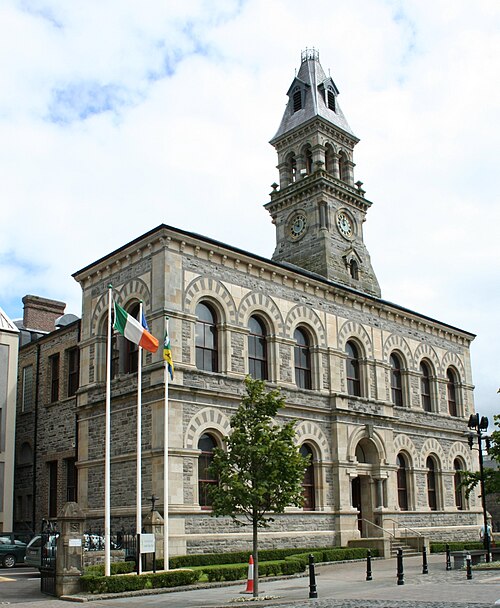
Sligo is a vibrant town located on the northwest coast of Ireland, serving as the county town of County Sligo. Rich in history and culture, it is situated at the mouth of the Garavogue River, which flows into Sligo Bay. With a population of approximately 20,000 people, Sligo is both a commercial hub and a gateway to the scenic landscapes of the surrounding region. The town's history dates back to ancient times, with evidence of early settlements and significant archaeological sites in the nearby areas, including the megalithic tombs at Carrowmore and the passage tombs at Knocknarea, which are often associated with the mythology of Queen Maeve, a legendary figure from Irish folklore.
Sligo is renowned for its artistic heritage and literary connections, particularly to the poet W.B. Yeats, who was inspired by the local landscape. His presence is celebrated through various cultural events and the Yeats International Summer School, which attracts participants from around the world. The town has a lively arts scene, with galleries, theaters, and music venues showcasing local talent. The backdrop of stunning natural beauty, characterized by the nearby Ben Bulben mountain and the Atlantic coastline, makes Sligo a popular destination for outdoor enthusiasts. Hiking, surfing, and fishing are popular activities, offering visitors the opportunity to experience the area's rugged charm firsthand.
Economically, Sligo plays a key role in the northwest region, with sectors such as retail, services, and tourism contributing significantly to its growth. The town is also home to a vibrant nightlife and a variety of dining experiences, reflecting both traditional Irish cooking and modern culinary trends. Sligo's infrastructure includes educational institutions, healthcare facilities, and transport links, including a rail service that connects it to other parts of Ireland. The combination of its rich history, artistic legacy, and stunning natural surroundings make Sligo a unique and appealing destination for both residents and tourists alike.
Facts about Sligo
- Sligo is known as the land of Yeats, named after the famous poet W.B. Yeats, who drew inspiration from the region's natural beauty and fascinating history.
- The city is home to the Carrowmore Megalithic Cemetery, one of the largest and oldest collections of prehistoric burial tombs in Europe, dating back to around 6000 BC.
- Sligo town is situated on the Wild Atlantic Way, a scenic coastal route known for its stunning landscapes and vibrant cultural heritage.
- The iconic Ben Bulben mountain, often referred to as the 'table mountain' of Sligo, is not only a significant landmark but also a popular site for hiking and outdoor activities.
- Sligo is renowned for its traditional Irish music scene, particularly with the Sligo Music Trail showcasing sessions in local pubs and venues.
- The annual Sligo Summer Festival and the Sligo Greasán na Meán Festival celebrate local arts, culture, and history, making them highly anticipated events each year.
- Sligo is the birthplace of the famous Irish writer and playwright, John B. Keane, whose works have significantly contributed to Irish literature.
- The city has a strong maritime history and is located near the Atlantic Ocean, making it a hub for fishing and maritime activities.
- Sligo boasts the unique feature of having the historic Cathedral of the Immaculate Conception, which is renowned for its stunning Gothic architecture and rich interior.
- Sligo is also notable for its vibrant arts community, hosting various galleries and centers that promote contemporary art and provide platforms for artists.